Full-arch treatment.
A fixed arch, not something you take out
The essentials
In short
Full-arch implant treatment, often called All-on-4 or All-on-X, replaces a complete upper or lower arch of teeth with a fixed bridge supported by a small number of strategically angled implants. It suits people who have lost most of their teeth in an arch or who are struggling with a loose denture. The teeth are fixed (you do not remove them) and the treatment is staged, usually with a provisional bridge fitted early and the definitive one after the implants have fully integrated.
Who this treatment is for
- People who have lost most or all of the teeth in an upper or lower arch
- Long-term denture wearers whose lower denture will not stay put
- Patients facing the loss of remaining teeth to advanced periodontal disease
- Anyone who has been told there is not enough bone for conventional implants in a standard position. Angled placement can often reach bone that vertical placement cannot
What makes it work
Bone is not uniform. In an atrophied jaw, the front is usually denser and taller than the back, and the back of the upper jaw runs into the maxillary sinus. Full-arch protocols place implants where that good bone is and angle the posterior ones forward to gain length and stability, then connect everything with one rigid bridge so load is shared.
Getting that geometry right is a planning exercise, not an improvisation. It depends on three-dimensional imaging, a clear picture of your bite, and a decision about where the teeth need to sit before deciding where the implants go.
The stages
Planning. Full records, imaging, an honest assessment of what your remaining teeth are worth keeping and what the arch should look like.
Surgery. Any remaining teeth in the arch are removed, implants placed, and (where conditions allow) a provisional fixed bridge attached.
Integration. Several months on a modified diet while bone fuses to the implants. This is the part that determines longevity.
Definitive bridge. Once integration is confirmed, the final bridge is made in a stronger material with the aesthetics and bite refined properly.
Living with a fixed arch
You will chew far better than with a denture. Most people describe the difference as the point of the whole exercise. You will need to clean under the bridge daily with tools you may not have used before, and you will need maintenance appointments where the bridge is checked and, periodically, removed and cleaned professionally. Grinders need a guard.
Alternatives worth considering
Implant-supported overdentures snap onto two or more implants and come out at night. They cost substantially less, are easier to clean, and hold vastly better than a conventional denture. For many patients they are the right balance rather than a compromise. Conventional dentures remain the lowest-cost option. Dr. Patel will price all three paths.
Verification note
Specific implant systems and materials used at Oak Hills Dentistry are not listed here pending confirmation, and no claim is made about same-day teeth for any individual case before imaging. Both are discussed at consultation.
What affects the cost
Full-arch treatment is the largest investment in dentistry, and the total depends on the number of implants, whether extractions and grafting are needed, whether one arch or both are treated, the provisional bridge and the material of the definitive one. Insurance rarely covers a meaningful share. We will provide a written, staged plan with the cost of each phase, and discuss financing options that the practice confirms it offers.
Talk it through first
Nothing here replaces an examination. If you are weighing this up, the useful next step is a conversation. Bring your questions, bring what you have been told elsewhere, and ask what the alternatives cost over ten years rather than this month.
Oak Hills Dentistry is on Louetta Road in Spring, Texas, and also sees patients from The Woodlands and north Houston. Request an appointment or call 281-350-8852.
Written for patients of Oak Hills Dentistry in Spring, Texas. General dental education, not a diagnosis or a treatment plan for any individual. Updated August 2026. This page covers a higher-risk treatment area and is queued for clinical sign-off by Dr. Neal H. Patel before launch.
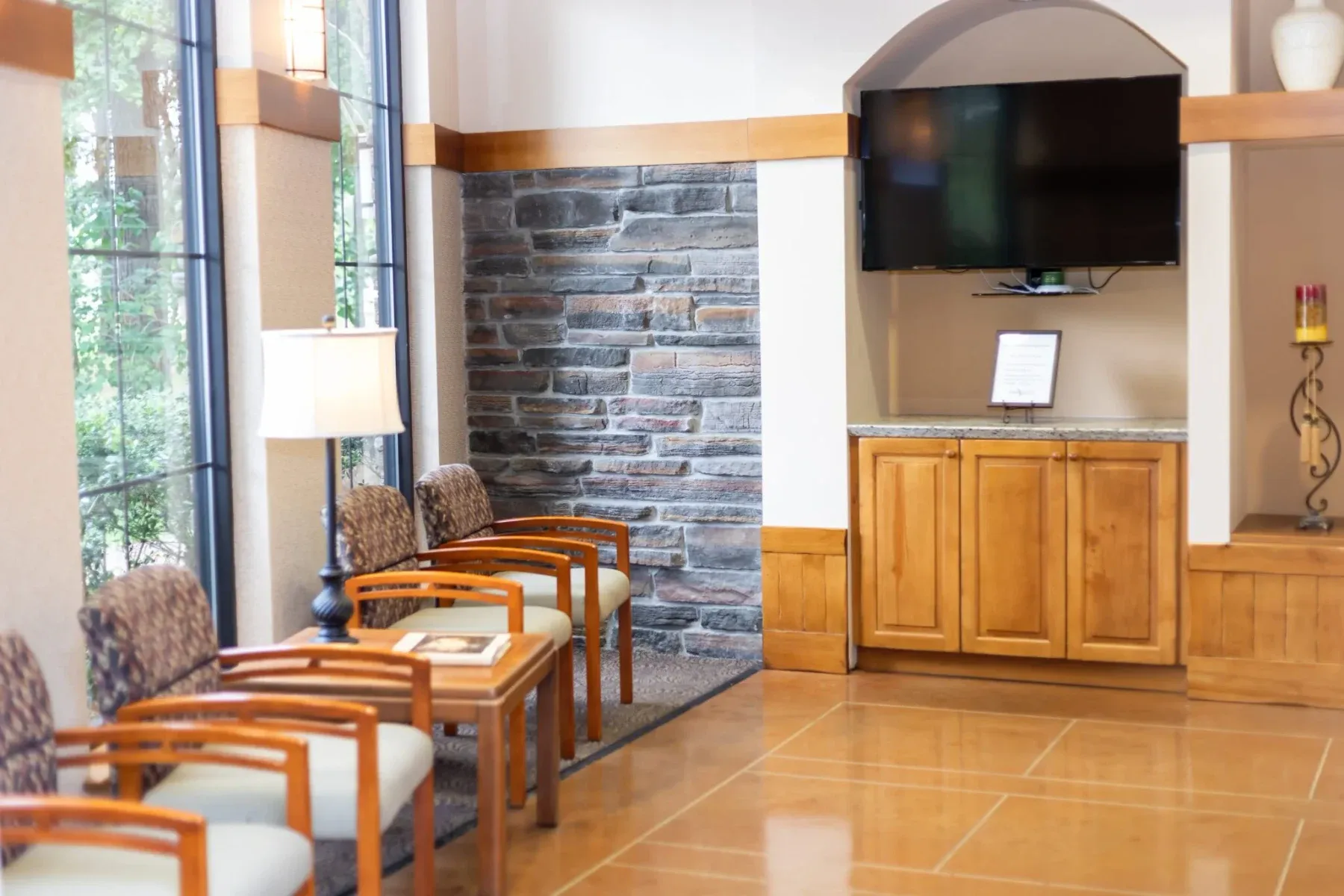
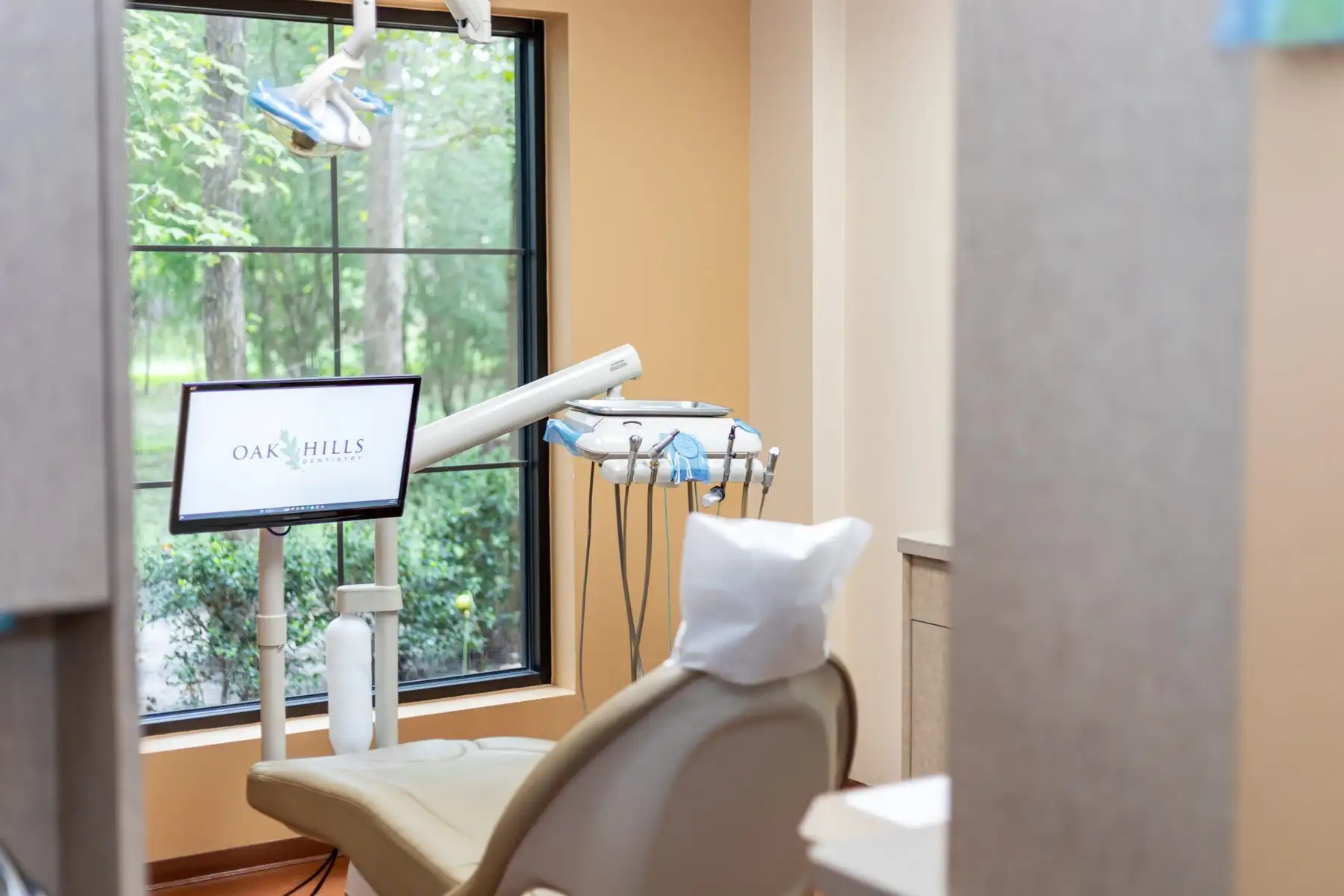
The practice
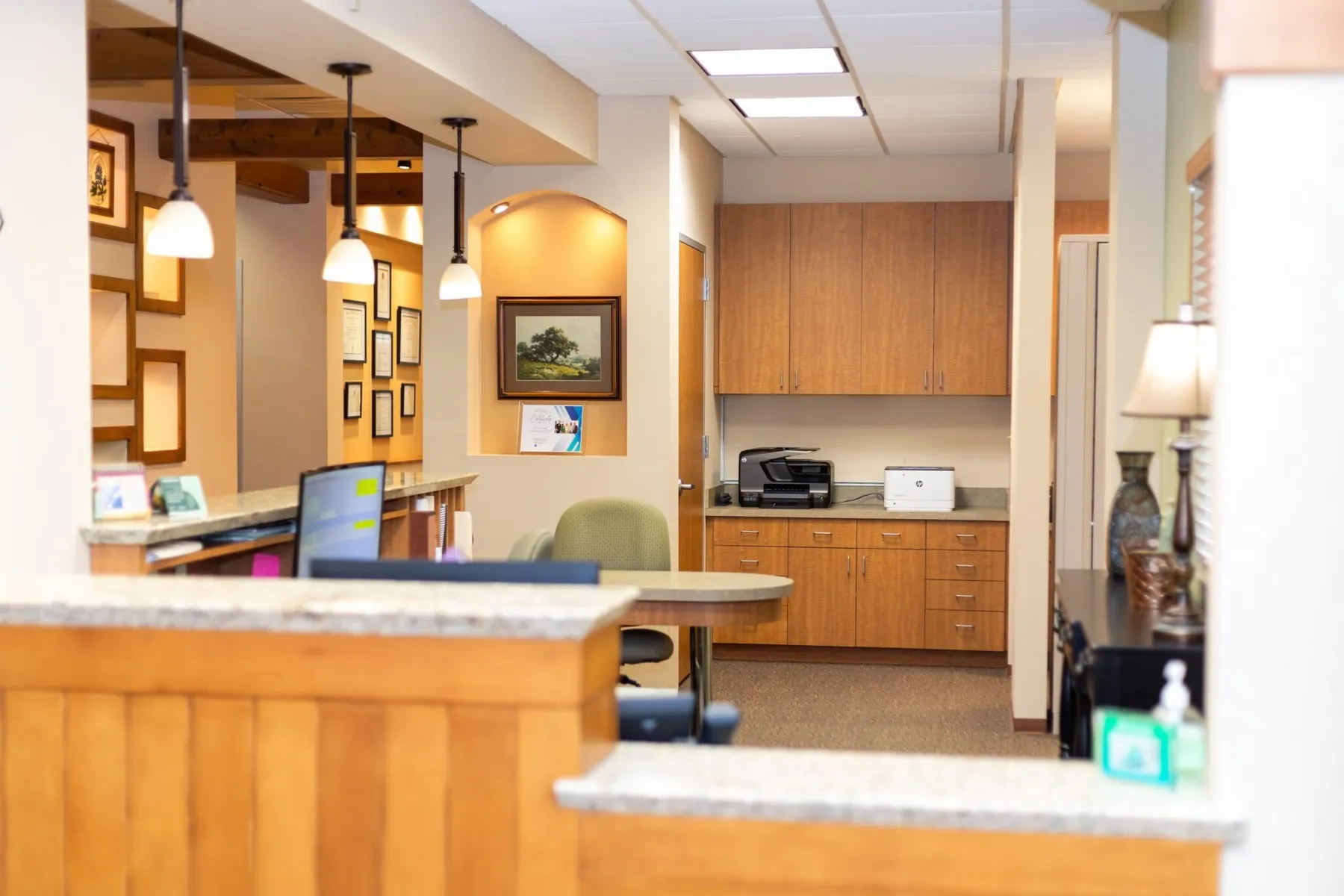
Where the work happens.
FAQ
Know before you visit.
Answers to your most common questions.
A conventional denture rests on gum and moves. A full-arch implant bridge is anchored into bone and does not come out. Chewing efficiency, speech and confidence are generally far closer to natural teeth, and the bone underneath is preserved rather than shrinking year after year.
Because they are placed where the bone is densest and angled to spread load along the arch, and because they are joined by a single rigid bridge that distributes force across all of them. That engineering is what allows fewer implants to support more teeth, and it is why placement position matters so much.
Many protocols fit a provisional fixed bridge at or shortly after surgery, so you are not without teeth. Whether that is appropriate depends on your bone quality and how the implants seat during placement. Dr. Patel will not promise it before he has seen your imaging, and he will tell you at planning whether your case is a candidate for immediate provisionalization.
Around and under the bridge, daily, with the specific tools we will give you: interdental brushes, a water flosser and threaded floss. This is not optional. The most common late problem with full-arch cases is bone loss around implants that were not being cleaned properly underneath.
Because the bridge is supported by several implants, the loss of one is usually recoverable. It can often be replaced or the bridge redesigned. It is a significant event, not a catastrophe, and it is far more likely in smokers and in patients skipping maintenance.
Placement is typically one surgical appointment per arch, which may include removing remaining teeth. The full course runs over months, with the provisional bridge in place while the implants integrate before the definitive bridge is made.
Start your smile journey.
Tell us how to reach you and we will call to talk through all-on-x full arch, no commitment.