
Urgent care.
Call first and we will tell you what to do right now
The essentials
In short
Call Oak Hills Dentistry at 281-350-8852 as early in the day as you can and describe what is happening. Severe pain, facial swelling, a knocked-out tooth, a fractured tooth with exposed nerve, bleeding that will not stop and a broken denture or lost crown are all treated as urgent. Facial swelling that is spreading, closing your eye, crossing the midline of your neck or affecting your breathing or swallowing is a hospital emergency. Go to an emergency room.
Call, then read this
Oak Hills Dentistry: 281-350-8852. Call as early in the day as you can. Describing what is happening lets us tell you whether you need to be seen today, what to do in the meantime, and whether you need a hospital instead of us.
What we treat as urgent
- Severe or escalating toothache, particularly if it wakes you
- Facial or gum swelling
- A tooth knocked out, loosened or pushed out of position
- A fractured or cracked tooth, especially with exposed pink or bleeding tissue
- A lost crown, filling or bridge leaving a sharp or sensitive edge
- Bleeding that will not stop after an extraction
- A broken denture you cannot function without
- Something stuck under the gum that you cannot dislodge
- An abscess, gum boil or a bad taste that keeps returning
Go to an emergency room instead if
- Swelling is spreading fast, closing your eye, or extending under the jaw into the neck
- Breathing or swallowing is affected
- You cannot open your mouth
- You have a fever alongside facial swelling
- There is major facial trauma or you suspect a fractured jaw
These are airway and systemic-infection risks. They need intravenous treatment and monitoring, and they are the one category where coming to us first wastes time you do not have.
What to do while you wait
Knocked-out adult tooth. Handle the crown only. Brief rinse in milk or saline. Reinsert into the socket if possible and bite on a clean cloth; otherwise store it in milk, saline or saliva. Get seen within the hour. Never scrub the root, never store it dry, never reimplant a child’s baby tooth.
Cracked or broken tooth. Save any fragment in milk. Rinse with warm water. Cover a sharp edge with sugar-free gum or dental wax if you have it. Avoid chewing on that side.
Lost crown or filling. Keep the crown. Temporary dental cement from a pharmacy can hold it for a day or two, but do not use household adhesive. Avoid extremes of temperature.
Swelling. Cold compress outside the face, twenty minutes on and twenty off. Never heat. Sleep with your head elevated. Call today, and reread the emergency-room list above.
Bleeding after an extraction. Fold clean gauze, place it directly on the socket, and bite firmly for a full thirty minutes without checking. Repeat once. Do not rinse. If it is still heavy after that, call.
What happens at the appointment
The first job is getting you comfortable and finding the cause: an examination and an X-ray, sometimes a cold or pressure test. The second is stabilising it: draining an abscess, starting root canal treatment, smoothing or rebuilding a fracture, recementing a crown, removing a tooth that cannot be saved. Definitive treatment sometimes follows at a planned visit once the acute problem is settled, and we will be clear about which stage you are at.
Preventing the next one
Most dental emergencies are not accidents. They are the visible stage of something that was building: a cracked cusp under an old large filling, decay under a crown margin, a tooth already flagged as questionable. Attending your routine exams and wearing a night guard if you grind removes a substantial share of them.
Talk it through first
Nothing here replaces an examination. If you are weighing this up, the useful next step is a conversation. Bring your questions, bring what you have been told elsewhere, and ask what the alternatives cost over ten years rather than this month.
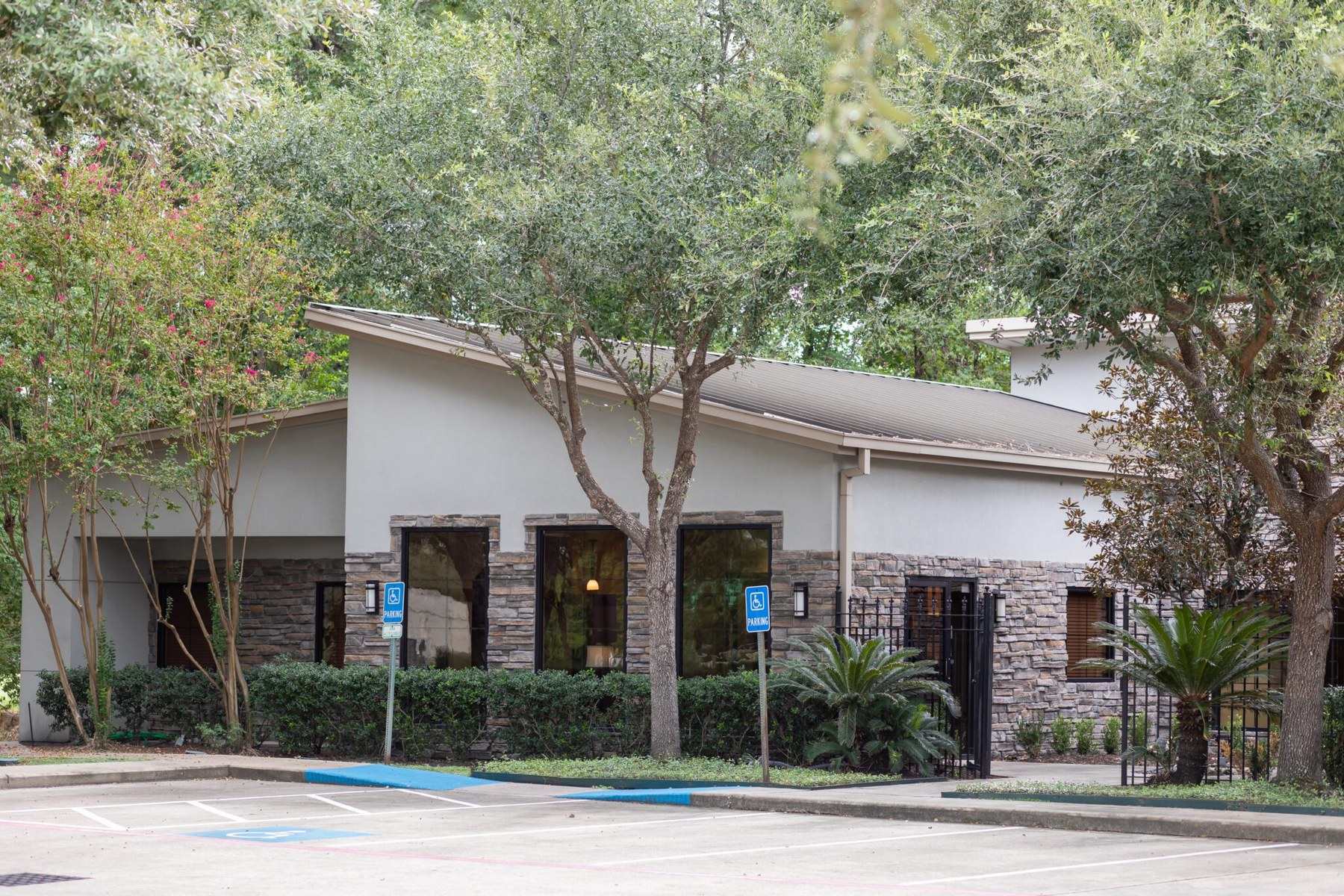
Oak Hills Dentistry is on Louetta Road in Spring, Texas, and also sees patients from The Woodlands and north Houston. Request an appointment or call 281-350-8852.
Written for patients of Oak Hills Dentistry in Spring, Texas. General dental education, not a diagnosis or a treatment plan for any individual. Updated August 2026. This page covers a higher-risk treatment area and is queued for clinical sign-off by Dr. Neal H. Patel before launch.
The practice
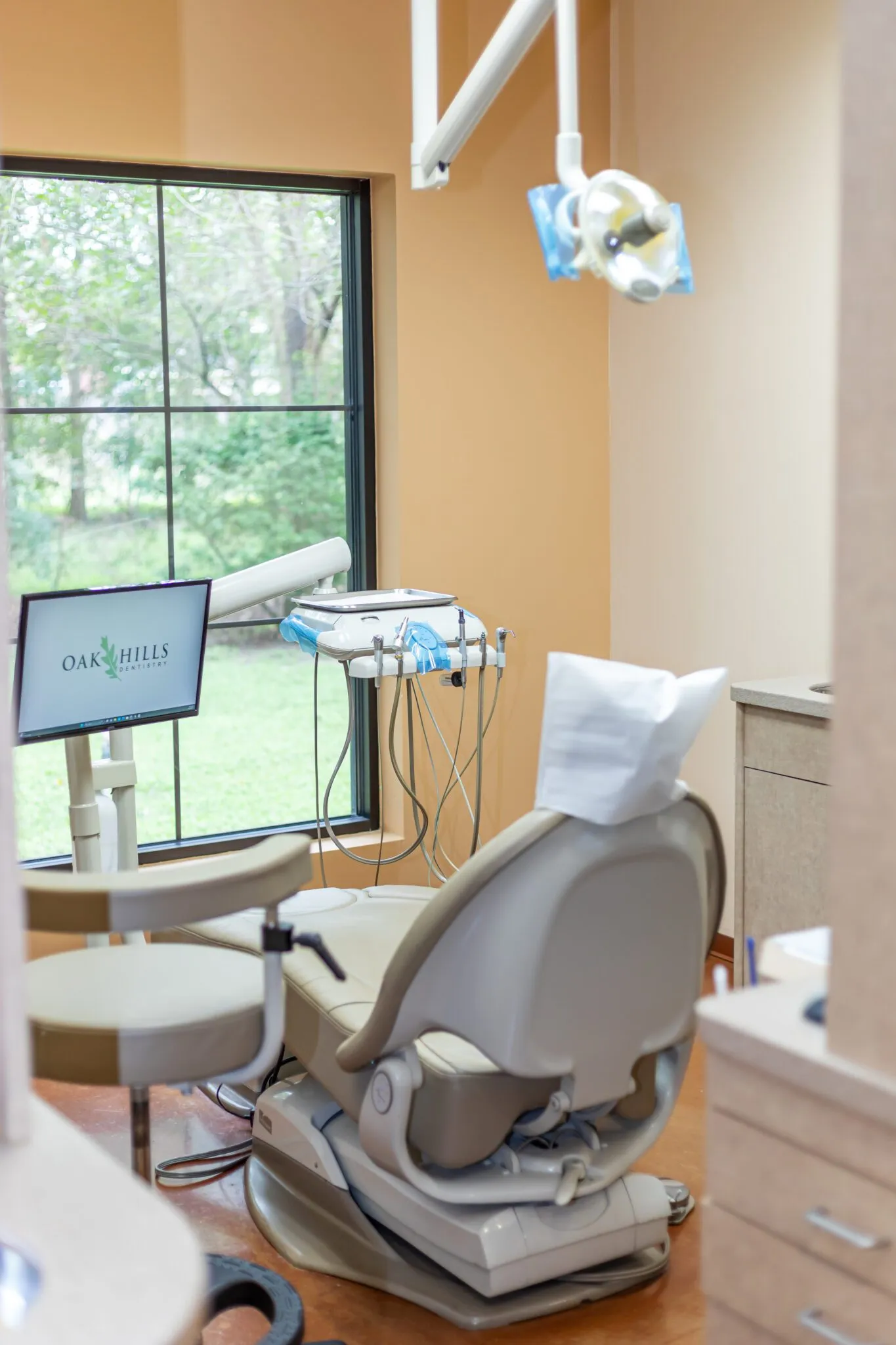
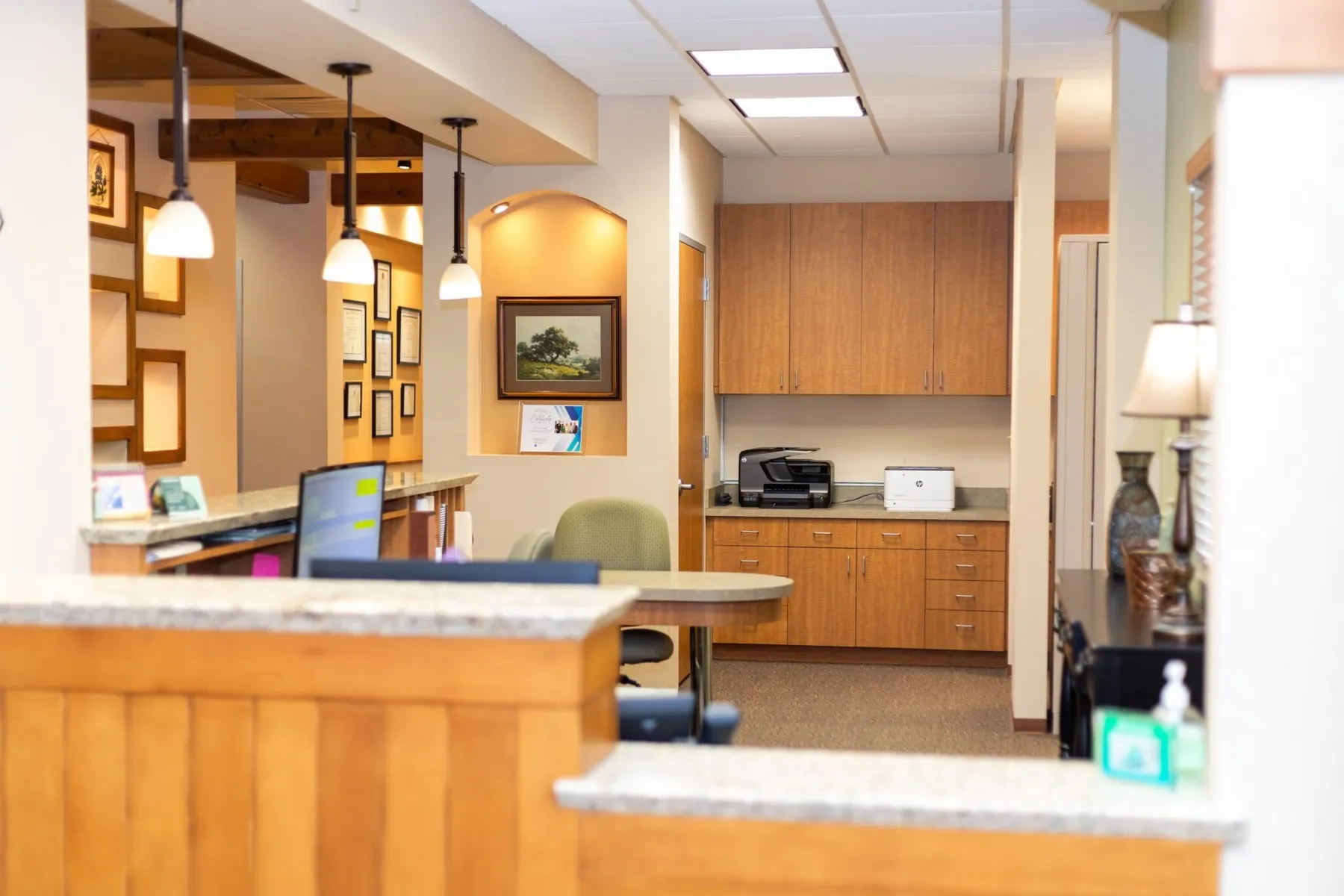
Where the work happens.
FAQ
Know before you visit.
Answers to your most common questions.
Go to an emergency room, not a dental office, if swelling is spreading rapidly, is closing your eye, has crossed under your jaw into your neck, or is affecting your breathing or swallowing; if you cannot open your mouth; if you have a fever with facial swelling; or if there is significant facial trauma or a suspected jaw fracture. Those need intravenous antibiotics and airway monitoring that a dental office cannot provide.
For an adult permanent tooth, time is everything. Pick it up by the crown, never the root. If it is dirty, rinse it briefly in milk or saline, not water, and do not scrub it. Put it back in the socket if you can and bite gently on a cloth. If you cannot, keep it in milk, saline or your own saliva and get to a dentist within the hour. Do not attempt to reimplant a baby tooth.
Not on their own. Antibiotics can reduce a spreading infection, but they cannot reach dead pulp tissue inside a tooth, so the problem returns once the course ends. The definitive treatment is root canal treatment or extraction. Antibiotics buy time in specific situations; they are not a treatment plan.
Pain that wakes you or worsens when you lie down often means pulp involvement, and it usually escalates. It is worth an early call rather than a weekend of waiting.
For most dental pain an over-the-counter anti-inflammatory taken at the labeled dose, on schedule rather than as needed, is more effective than paracetamol alone. Cold on the outside of the face helps swelling; heat does not and can make an infection worse. Do not put aspirin directly on the gum. Sleep propped up. And do not use pain relief to postpone the call; the pain settling does not mean the infection has.
Start your smile journey.
Tell us how to reach you and we will call to talk through dental emergencies, no commitment.