
Complete dentures.
A well-made set, honestly explained
The essentials
In short
A complete denture replaces all the teeth in an upper or lower arch with a removable prosthesis resting on the gum. It is the most affordable way to replace a full arch and requires no surgery. It also takes real adaptation, needs periodic relining as the jaw changes shape, and (particularly on the lower arch) never holds as securely as teeth anchored in bone. Adding two implants transforms lower denture stability at a fraction of the cost of fixed treatment.
What a denture can and cannot do
It restores appearance, lip support and a functional bite, and it does so without surgery and at the lowest cost of any full-arch option. That is genuinely valuable.
What it cannot do is stop the jaw from shrinking. A denture rests on bone that has no tooth roots loading it, and that bone continues to resorb, which is why dentures loosen over years, need relining, and eventually need remaking. Being told this in advance is the difference between a patient who expects relines and one who feels let down by them.
Making them properly
Good dentures come from unhurried records. Impressions that capture the full extension of the tissue, measurements of your bite height and the position of the teeth relative to your lips and eyes, and a wax try-in where you look in a mirror and say what you think before anything is processed.
Bring a photograph from before you lost your teeth if you have one. Tooth shape, size and shade are choices, and they are much easier to get right with a reference.
The adaptation period, realistically
The first two weeks are the hardest. Increased saliva, a fuller feeling, a lisp, and the sense that the lower denture wants to lift. All of that improves.
Sore spots are common and are not something to tolerate. They are a pressure point we can relieve in five minutes. Come back. People who endure a sore spot for a month usually end up with an ulcer and a story about how they could never wear dentures.
Care
Clean over a folded towel or a basin of water. Dentures break when dropped on a hard sink. Brush with a denture brush and a non-abrasive cleaner, never regular toothpaste, which scratches acrylic. Rinse after meals. Leave them out overnight in water or solution. Brush your gums, palate and tongue daily too.
The upgrade worth knowing about
If your lower denture is the problem (and for most people it is), two implants and an overdenture attachment is the highest-value intervention in this entire category. The denture clicks in and stays. It costs a fraction of fixed full-arch treatment and is often the difference between tolerating dentures and forgetting about them.
What affects the cost
Denture tiers differ in the quality of the teeth used, the acrylic, and how much clinical time goes into the records and try-in. Immediate dentures involve two stages. Relines and remakes are separate future costs worth budgeting for. Many dental plans cover a denture once every five to ten years at a percentage; we will confirm your specific frequency limitation, because it determines timing.
Talk it through first
Nothing here replaces an examination. If you are weighing this up, the useful next step is a conversation. Bring your questions, bring what you have been told elsewhere, and ask what the alternatives cost over ten years rather than this month.
Oak Hills Dentistry is on Louetta Road in Spring, Texas, and also sees patients from The Woodlands and north Houston. Request an appointment or call 281-350-8852.
Written for patients of Oak Hills Dentistry in Spring, Texas. General dental education, not a diagnosis or a treatment plan for any individual. Updated August 2026. This page covers a higher-risk treatment area and is queued for clinical sign-off by Dr. Neal H. Patel before launch.
The path
How it goes, step by step.
A meticulous sequence, explained before it starts. You should never be surprised by the next appointment.
Step 1: Records
Impressions, measurements of your bite and facial proportions, and a conversation about the tooth shape and shade you want.
Step 2: Wax try-in
You see and approve the arrangement in wax before anything is finalized. This is where changes are easy and free.
Step 3: Fit
The finished denture is fitted, the bite checked and pressure spots relieved.
Step 4: Adjustments
One or two short follow-ups in the first weeks. Sore spots at this stage are normal and fixable. Do not endure them.
The practice
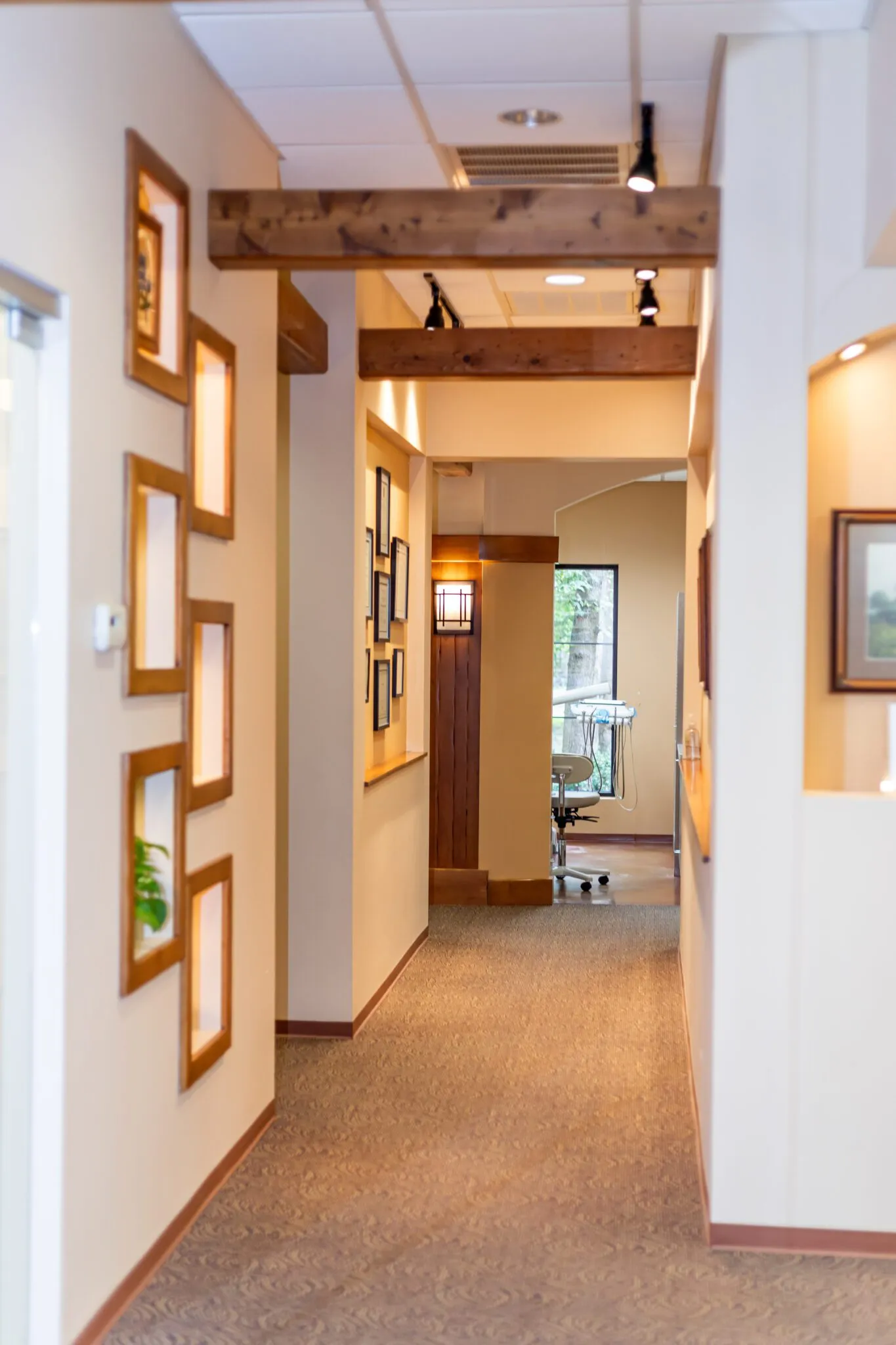
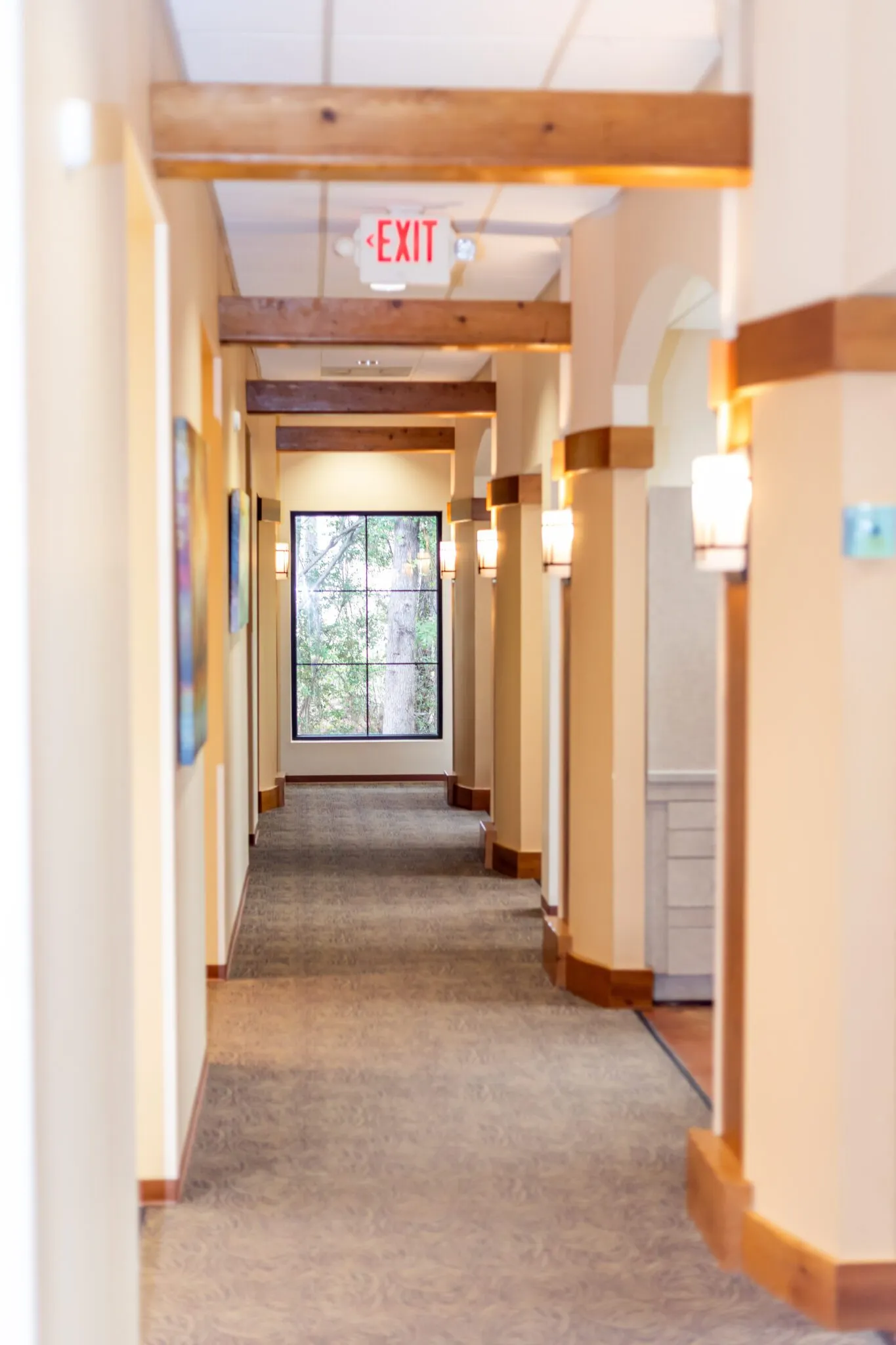
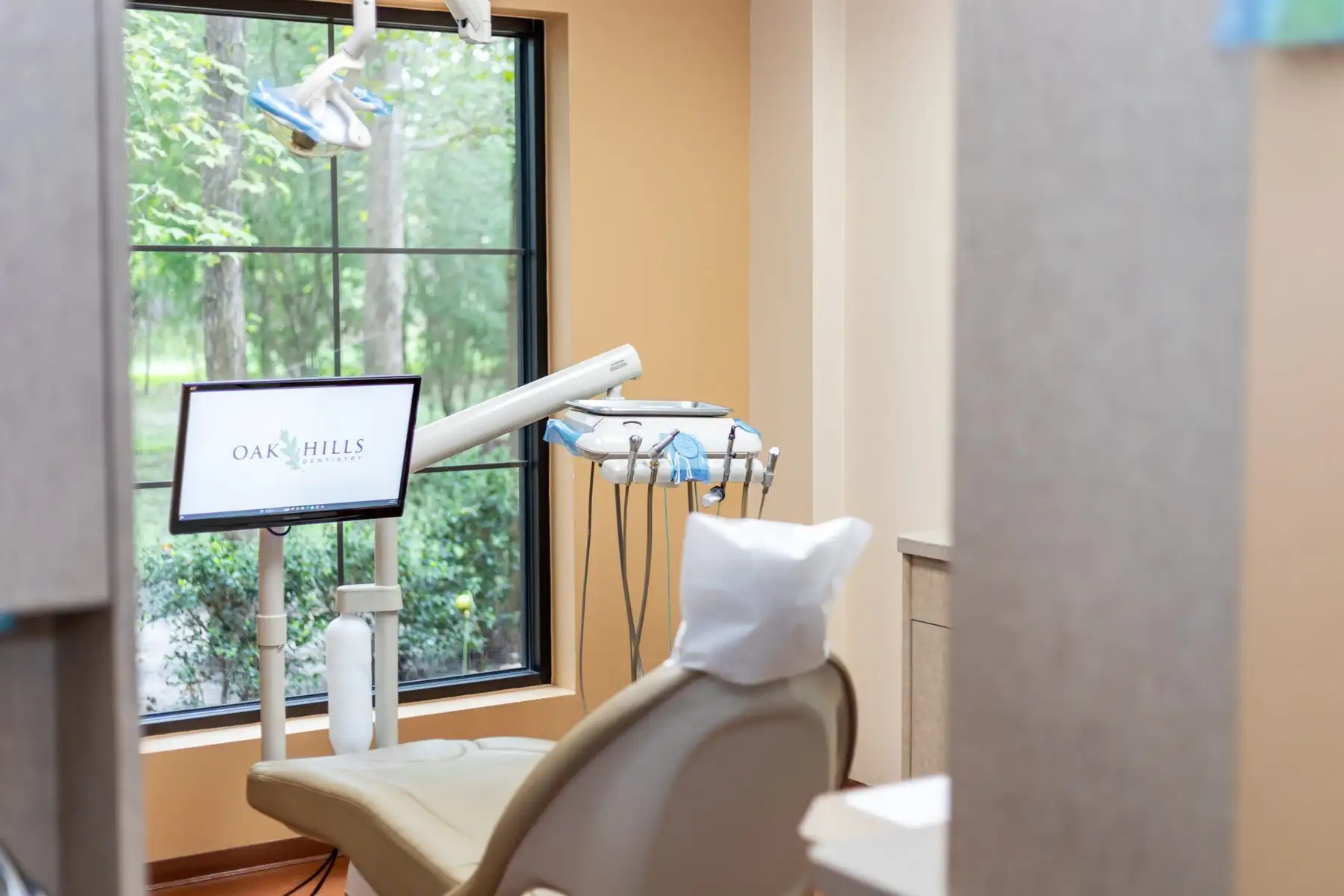
Where the work happens.
FAQ
Know before you visit.
Answers to your most common questions.
Several weeks to a few months. Speech usually settles within a couple of weeks with practice, often faster if you read aloud. Eating takes longer: start with soft food cut small, chew on both sides at once, and reintroduce harder textures gradually. An upper denture is generally easier to adapt to than a lower.
A well-made denture supports the lips and cheeks and often makes a face look fuller than it did with failing or missing teeth. A worn-out denture, or a jaw that has resorbed for years, produces the collapsed look people associate with dentures, which is an argument for relining and remaking on schedule.
A well-fitting upper denture often needs none. Lower dentures frequently need some, and needing a lot of it is a signal that the fit has changed and a reline is due. Adhesive should be a convenience, not the thing holding the denture in.
Relines every few years as the jaw resorbs, and a full remake commonly around every five to ten years, depending on wear and how much the ridge has changed. Dentures wear down, and a flattened bite makes chewing progressively less effective.
Better not to. Leaving them out lets the gum tissue recover and reduces the risk of fungal infection under the plate. Clean them and store them in water or the recommended solution overnight.
Yes, a denture can be made in advance and fitted the day the teeth come out, so you are never without teeth. It will need relining as the gum heals and shrinks, and a definitive denture is usually made later. Dr. Patel will explain the sequence and cost of both stages.
Start your smile journey.
Tell us how to reach you and we will call to talk through full dentures, no commitment.