
Periodontal care.
Stop the bone loss before it costs you teeth

The essentials
In short
Gum disease is treated by removing the bacterial deposits below the gumline that your toothbrush cannot reach. Early inflammation (gingivitis) often reverses with a thorough cleaning and a change in home technique. Once pockets have deepened and bone has been lost (periodontitis), treatment is scaling and root planing (a deep cleaning done by quadrant under local anesthetic), followed by maintenance visits every three to four months. Lost bone does not grow back on its own, so the goal is to stop the loss where it is.
What gum disease actually is
Plaque left along the gumline hardens into tartar. The body responds to the bacteria with inflammation, the gum pulls away from the tooth, and a pocket forms. Pockets are sheltered from a toothbrush, so the bacteria that thrive in them are the ones that provoke the strongest response, and the body’s own inflammatory reaction is what dissolves the bone holding the tooth in.
That is the part patients are rarely told: the bacteria start it, but the bone loss is inflammatory. Which is why the treatment is not an antibiotic. It is the physical removal of the deposits, repeated on an interval that does not let them re-establish.
The two stages
Gingivitis is inflammation without bone loss. Gums are red, puffy and bleed on brushing. It is fully reversible: a thorough cleaning plus a genuine change in daily technique, and it resolves in a couple of weeks.
Periodontitis means the bone has started to go. Pockets measure deeper than about four millimeters, teeth may feel loose or start to drift, and there can be recession, sensitivity and bad breath that does not respond to anything. This does not reverse. It gets stabilized.
What treatment involves
Scaling and root planing is usually done in two appointments, half the mouth at a time, with local anesthetic. Anesthetic matters here. Reaching the base of a six-millimeter pocket comfortably is not possible otherwise, and an incompletely cleaned pocket does not heal.
Six weeks later we re-measure everything. Most pockets shrink as the inflammation resolves and the tissue tightens back onto a clean root surface. Sites that stay deep and bleeding may need localized retreatment, and a small number of cases benefit from referral to a periodontist for surgical access or grafting.
Aftercare
Expect tenderness for a few days and cold sensitivity for a couple of weeks as the gum tightens and more root is briefly exposed. Warm salt-water rinses, a soft brush and ordinary pain relief cover it. Keep brushing the treated areas. Gently, but keep going.
What affects the cost
Scaling and root planing is billed by quadrant, so the number of quadrants involved drives the cost. Most dental plans cover it at a lower percentage than preventive cleanings and may limit how often it can be repeated. Periodontal maintenance visits are also billed differently from routine cleanings. We will map out exactly how many quadrants you need and what your plan covers before anything starts.
Talk it through first
Nothing here replaces an examination. If you are weighing this up, the useful next step is a conversation. Bring your questions, bring what you have been told elsewhere, and ask what the alternatives cost over ten years rather than this month.
Oak Hills Dentistry is on Louetta Road in Spring, Texas, and also sees patients from The Woodlands and north Houston. Request an appointment or call 281-350-8852.
Written for patients of Oak Hills Dentistry in Spring, Texas. General dental education, not a diagnosis or a treatment plan for any individual. Updated August 2026. This page covers a higher-risk treatment area and is queued for clinical sign-off by Dr. Neal H. Patel before launch.
The path
How it goes, step by step.
A meticulous sequence, explained before it starts. You should never be surprised by the next appointment.
Step 1: Full periodontal charting
Six measurements per tooth, plus bleeding points and recession, recorded as a baseline we can measure future visits against.
Step 2: Scaling and root planing
Usually two appointments, half the mouth each, under local anesthetic so the instruments can reach the base of every pocket comfortably.
Step 3: Re-evaluation at six weeks
We re-measure. Pockets that have shrunk move to maintenance; anything still deep and bleeding gets a plan of its own.
Step 4: Maintenance every three to four months
The bacteria repopulate on a roughly twelve-week cycle. The interval is the treatment. This is the part that actually preserves bone.
The practice
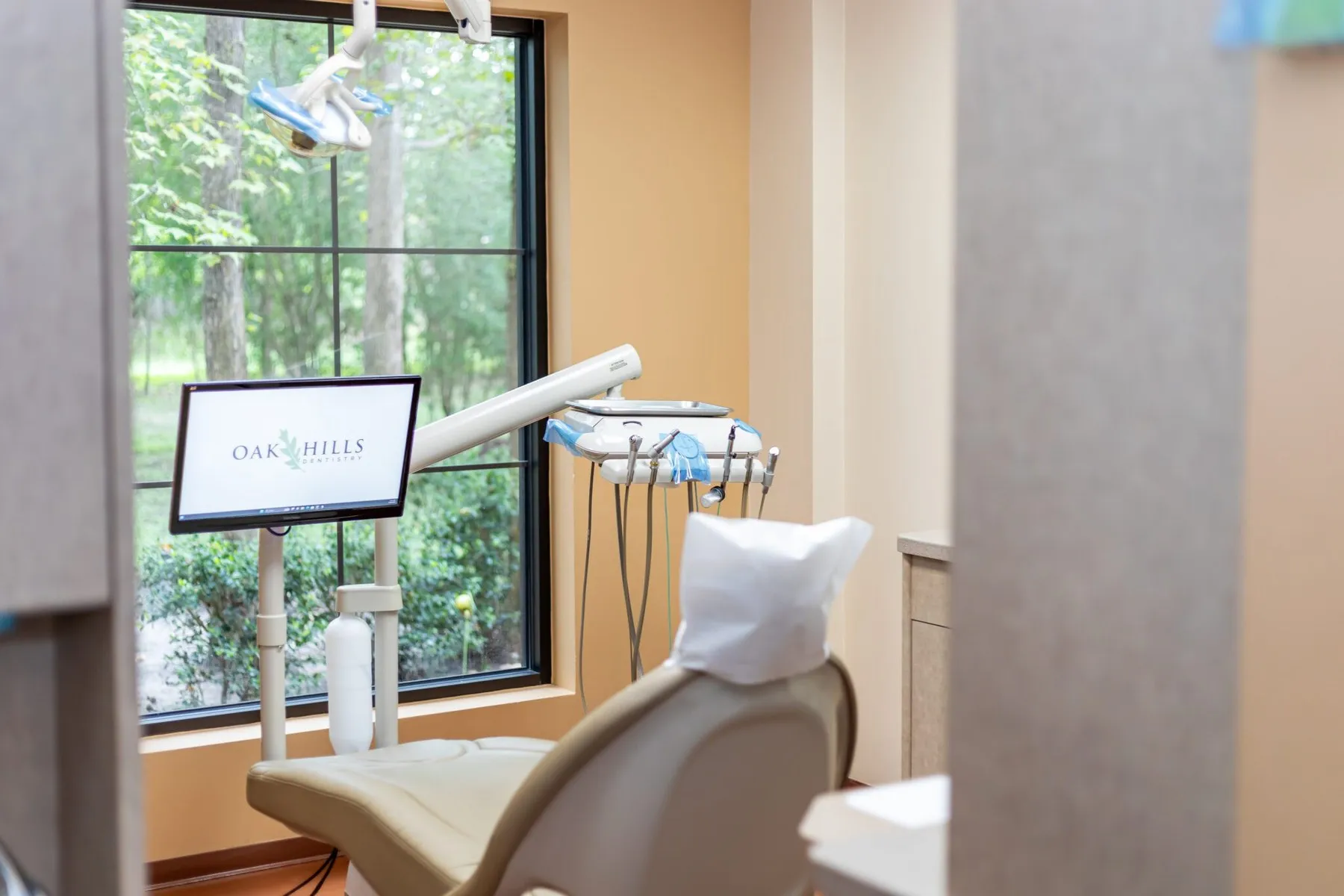
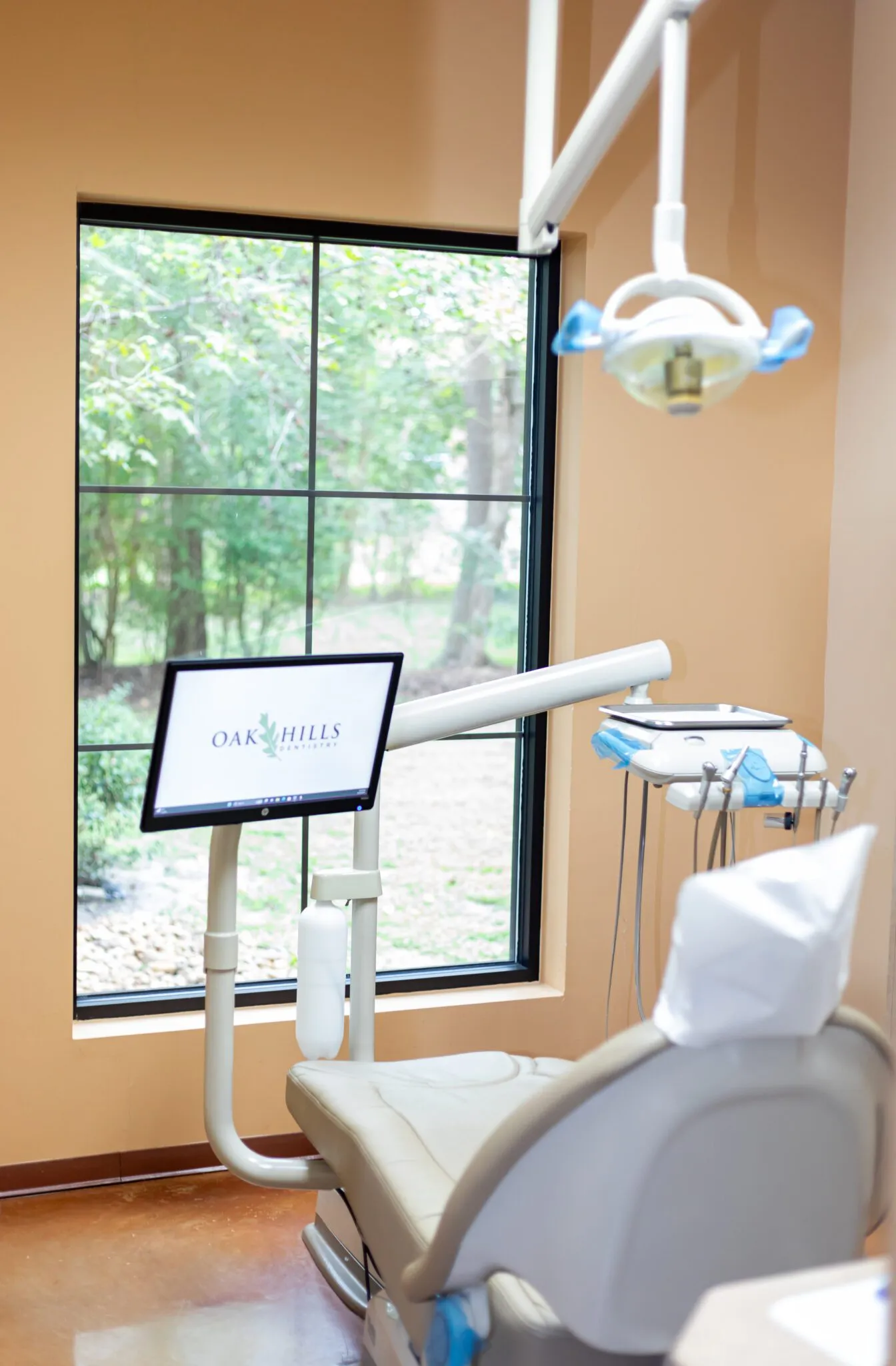
Where the work happens.
FAQ
Know before you visit.
Answers to your most common questions.
No. Bleeding is inflammation, and inflammation is the earliest sign of gum disease. Healthy gums do not bleed when brushed or flossed properly. It is also the stage that is easiest to reverse.
A regular cleaning removes deposits above and just below the gumline in healthy gums. Scaling and root planing goes to the base of a deepened pocket and smooths the root surface itself, which is why it is done by quadrant, under anesthetic, over more than one visit.
Gum tissue that has receded and bone that has been lost do not regenerate on their own. Grafting can rebuild in specific sites. What treatment reliably achieves is stopping further loss, which is what keeps the teeth.
Because the bacteria in a previously diseased pocket recolonize in roughly three months. A six-month interval lets them re-establish and the pocket deepen again. For patients with a periodontal history the shorter interval is not upselling. It is the reason the treatment holds.
There are well-documented associations between periodontitis and diabetes, cardiovascular disease and adverse pregnancy outcomes. The relationship with diabetes runs both ways: poorly controlled blood sugar worsens gum disease, and active gum disease makes blood sugar harder to control.
Start your smile journey.
Tell us how to reach you and we will call to talk through gum disease treatment, no commitment.