

Dental bridges.
Fill the gap without surgery

The essentials
In short
A dental bridge replaces a missing tooth by joining a replacement to crowns on the teeth either side of the gap. It is fixed, does not come out, and is completed in two visits over a few weeks rather than the months an implant takes. The trade-off is that the supporting teeth must be prepared for crowns, and the bone under the gap continues to shrink because nothing is loading it.
How a bridge is built
The teeth either side of the gap (the abutments) are prepared for crowns. The laboratory then fabricates a single unit: two crowns with a replacement tooth suspended between them. The whole thing is cemented into place and does not come out.
The honest trade-offs
For: No surgery. Two appointments over a few weeks rather than months. Predictable, well-understood, long track record. Cheaper up front than an implant. Excellent choice when the neighboring teeth already need crowning anyway.
Against: Two healthy teeth get prepared, and that is irreversible. The bone under the gap keeps resorbing because nothing is loading it, which over years can leave a visible dip beneath the replacement tooth. Cleaning underneath requires technique you may not currently have. And because the units are joined, decay in one abutment tooth condemns the entire bridge.
That last point is the one patients most often have not been told. It is not a reason to avoid a bridge. It is a reason to floss under it.
The appointments
Preparation. Both abutment teeth are numbed and shaped, the gap is scanned digitally, and a temporary bridge is fitted.
Fitting. Two to three weeks later the final bridge is tried in. We check the margins, the contour under the replacement tooth, which should be cleanable rather than pressed into the gum, and the bite. Then it is cemented.
Aftercare
Thread floss or an interdental brush under the replacement tooth daily, without exception. Keep attending exams so the abutment margins are checked radiographically. Wear a night guard if you grind, since a bridge concentrates force.
Alternatives
A dental implant preserves the neighbors and the bone. A partial denture is removable, cheaper, and reasonable where several gaps exist. Leaving a single back-tooth gap is sometimes defensible, with the caveats about drift and over-eruption.
What affects the cost
A bridge is priced per unit, so a three-unit bridge costs roughly three crowns. Span length, material and whether either abutment needs additional work such as a root canal or core all matter. Most dental plans cover bridges at the same lower percentage as crowns, subject to the annual maximum, and many apply a waiting period or a five-to-seven-year replacement clause. We will verify all of that before starting.
Talk it through first
Nothing here replaces an examination. If you are weighing this up, the useful next step is a conversation. Bring your questions, bring what you have been told elsewhere, and ask what the alternatives cost over ten years rather than this month.
Oak Hills Dentistry is on Louetta Road in Spring, Texas, and also sees patients from The Woodlands and north Houston. Request an appointment or call 281-350-8852.
Written for patients of Oak Hills Dentistry in Spring, Texas. General dental education, not a diagnosis or a treatment plan for any individual. Updated August 2026. This page covers a higher-risk treatment area and is queued for clinical sign-off by Dr. Neal H. Patel before launch.
The practice
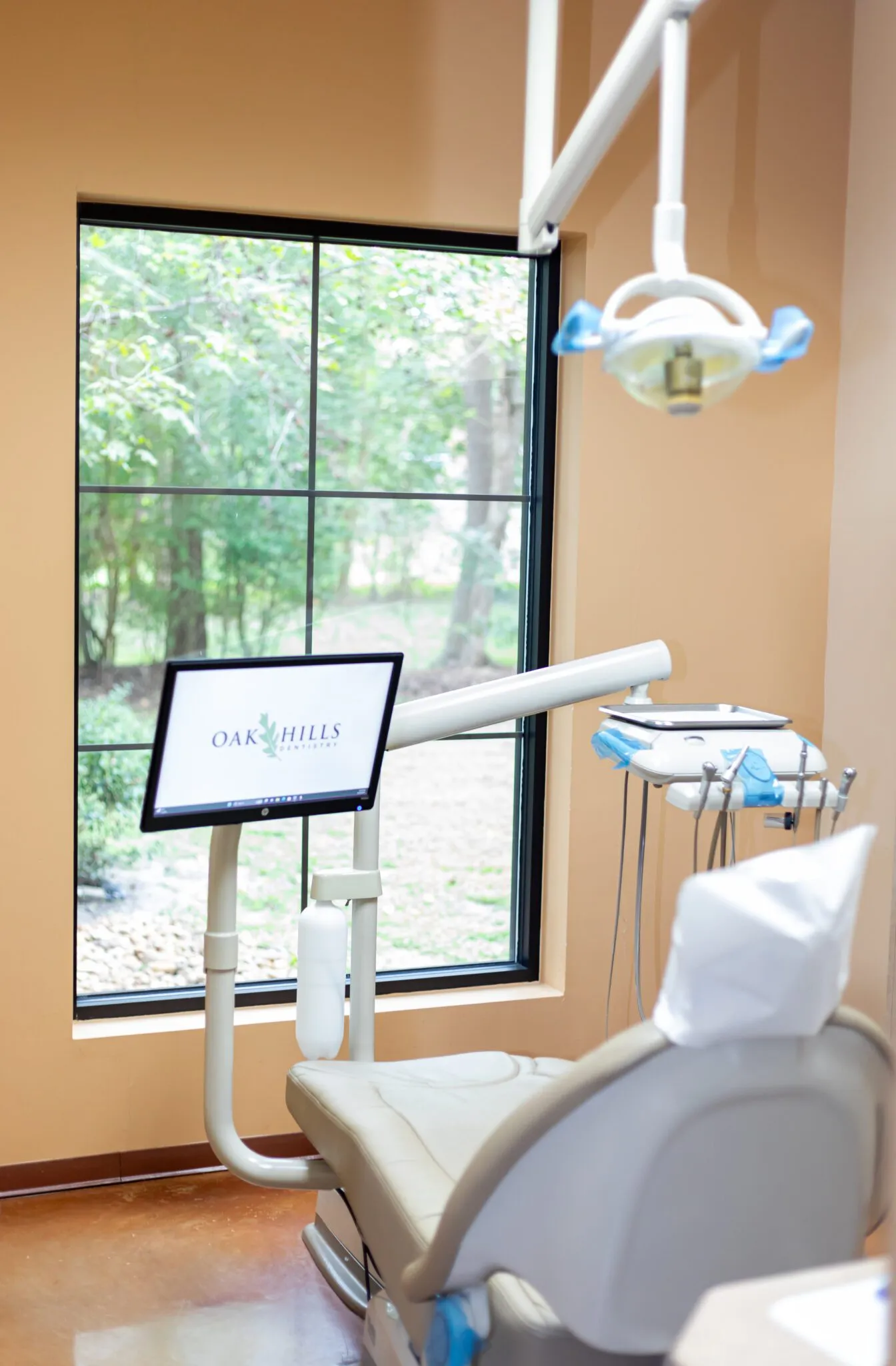
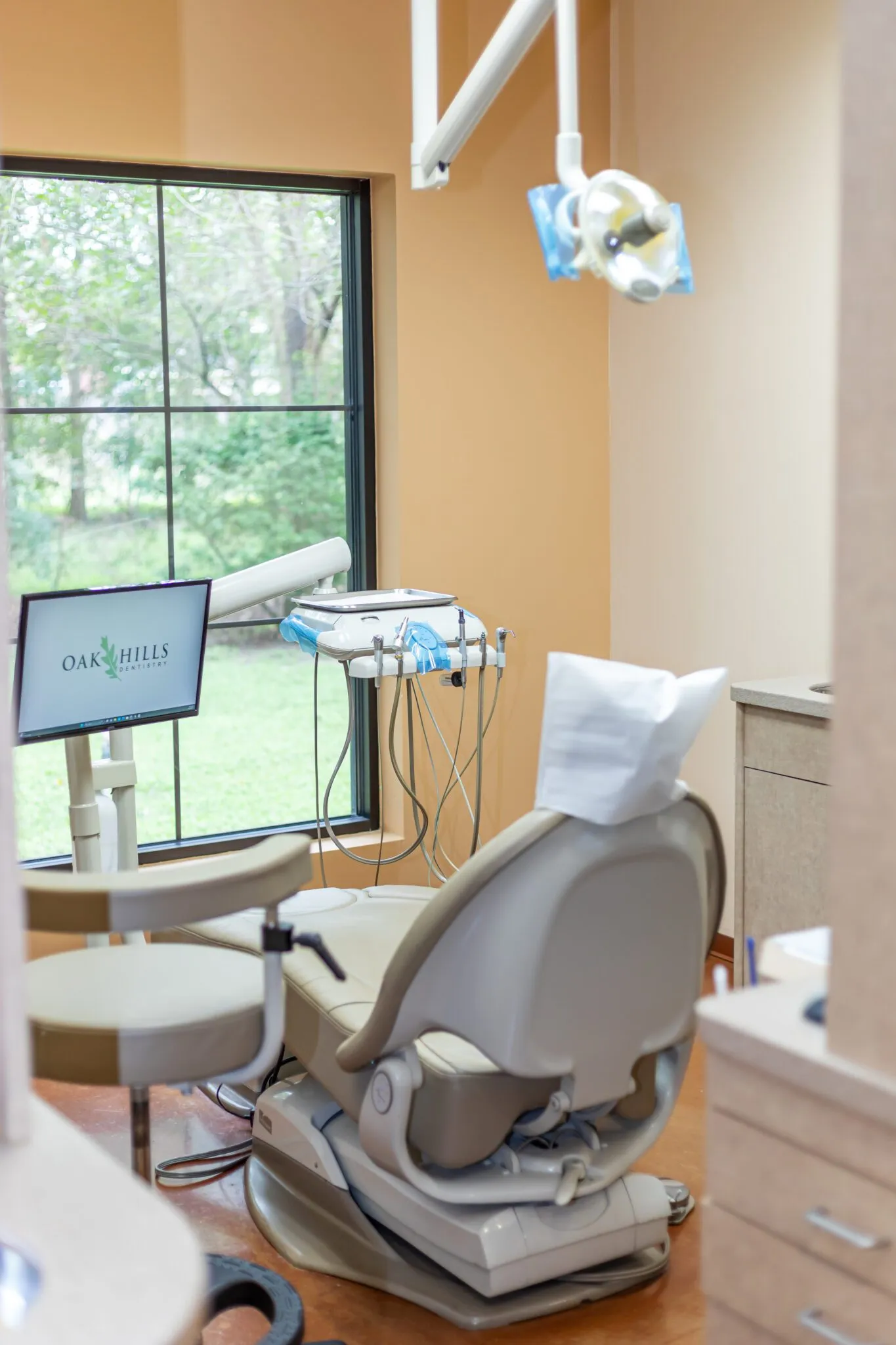
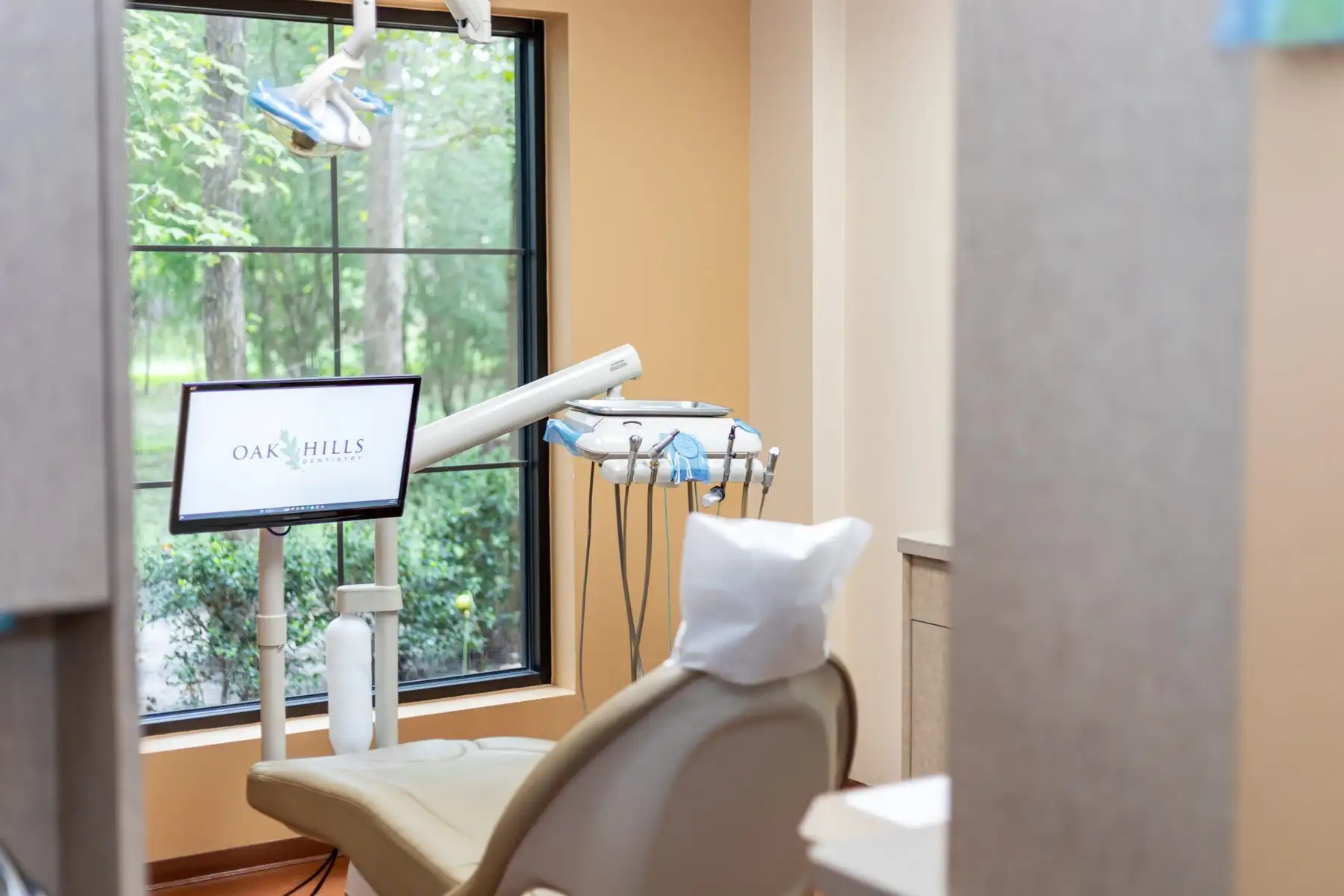
Where the work happens.
FAQ
Know before you visit.
Answers to your most common questions.
An implant does not touch the neighboring teeth and preserves bone; a bridge is faster and cheaper up front but requires crowning two healthy teeth. If the adjacent teeth already need crowns, a bridge costs you nothing extra in tooth structure and becomes very attractive. If they are pristine, an implant is usually the more conservative long-term choice.
Commonly ten years or more, and often considerably longer. Failure is usually decay on one of the supporting teeth at the crown margin, or fracture. Because the unit is joined, a problem with one abutment tooth means remaking the whole bridge. That is the structural risk worth understanding.
You cannot pass ordinary floss between joined units, so you thread floss underneath with a floss threader or use a small interdental brush and a water flosser. This is the single most important habit for making a bridge last, because the space under the replacement tooth collects plaque.
Sometimes, though a longer span puts much more load on the supporting teeth and the failure rate rises. Beyond a certain span, implants or a partial denture become the sounder choice. Dr. Patel will assess the abutment teeth honestly rather than stretching a bridge past what they can carry.
A resin-bonded bridge, where the replacement tooth is held by thin wings bonded to the back of the neighboring teeth rather than by full crowns. It removes almost no tooth structure, which is a real advantage, but it is less retentive and best suited to single front teeth with light bite forces.
Start your smile journey.
Tell us how to reach you and we will call to talk through dental bridges, no commitment.