
Partial dentures.
Several gaps, one removable solution
The essentials
In short
A partial denture replaces several missing teeth in an arch while your remaining natural teeth stay in place. It clips onto those teeth for support and comes out for cleaning. It is the most economical way to restore multiple gaps, is completed without surgery, and can be adapted if you lose further teeth later. The trade-off is that it is removable, needs a period of adaptation, and puts extra demand on the teeth it clasps.
Where a partial fits
Partials make most sense when:
- Several teeth are missing in different parts of the same arch
- The gaps are too long, or lack a tooth on one side, for a bridge
- Implants are not affordable right now, or not advisable medically
- You want something reversible while deciding on a longer-term plan
- Remaining teeth are healthy enough to provide support
What treatment involves
Impressions or a digital scan, and an assessment of which remaining teeth can serve as anchors. Some teeth need small preparations (rest seats and guide planes) so the framework sits precisely rather than rocking. A framework try-in follows, then the teeth are arranged in wax for you to approve, then the finished partial is fitted and adjusted.
Expect one or two short adjustment visits in the first weeks. Sore spots are normal and quickly relieved.
Living with a partial
In and out daily. Take it out to brush your natural teeth thoroughly, especially where the clasps sit. Clean the partial itself with a denture brush over a towel or basin of water. Leave it out overnight in water or solution.
Insert and remove it with your fingers, not by biting it into place. Biting a partial down bends clasps and cracks acrylic.
The risk to be honest about
The teeth a partial clasps carry more load and collect more plaque than they did before. Patients who keep their hygiene tight generally do well for many years. Patients who do not tend to lose the abutment teeth, which is how a partial becomes a bigger partial and eventually a full denture. The determining factor is almost entirely daily cleaning and regular maintenance visits.
What affects the cost
Framework material is the biggest driver: a cast metal partial costs considerably more than acrylic and lasts considerably longer. The number of teeth replaced, whether abutment teeth need preparation or restoration first, and clasp design all contribute. Most dental plans cover partials at a percentage with a replacement frequency limitation; we will confirm the specifics for your plan.
Talk it through first
Nothing here replaces an examination. If you are weighing this up, the useful next step is a conversation. Bring your questions, bring what you have been told elsewhere, and ask what the alternatives cost over ten years rather than this month.
Oak Hills Dentistry is on Louetta Road in Spring, Texas, and also sees patients from The Woodlands and north Houston. Request an appointment or call 281-350-8852.
Written for patients of Oak Hills Dentistry in Spring, Texas. General dental education, not a diagnosis or a treatment plan for any individual. Updated August 2026. This page covers a higher-risk treatment area and is queued for clinical sign-off by Dr. Neal H. Patel before launch.
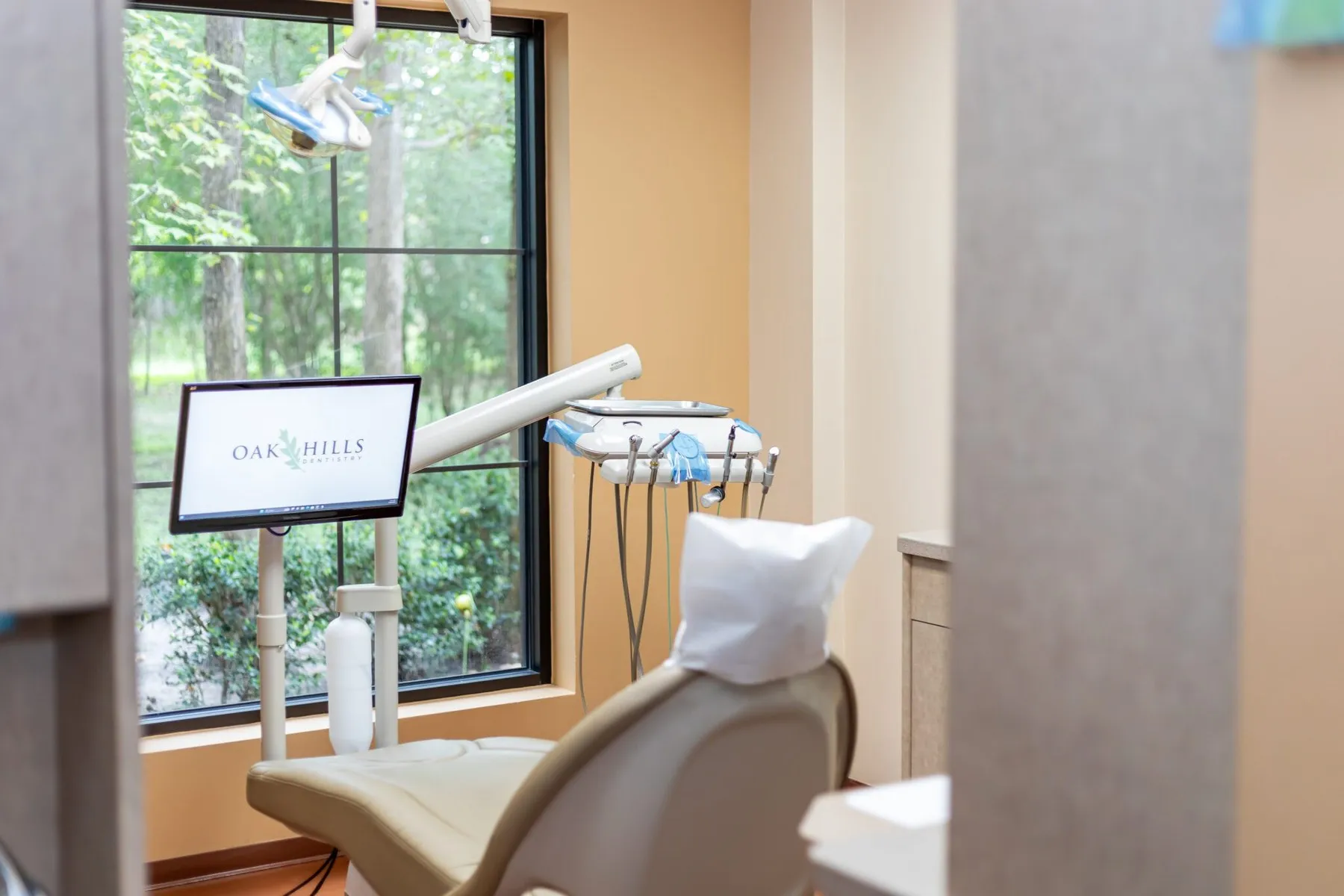
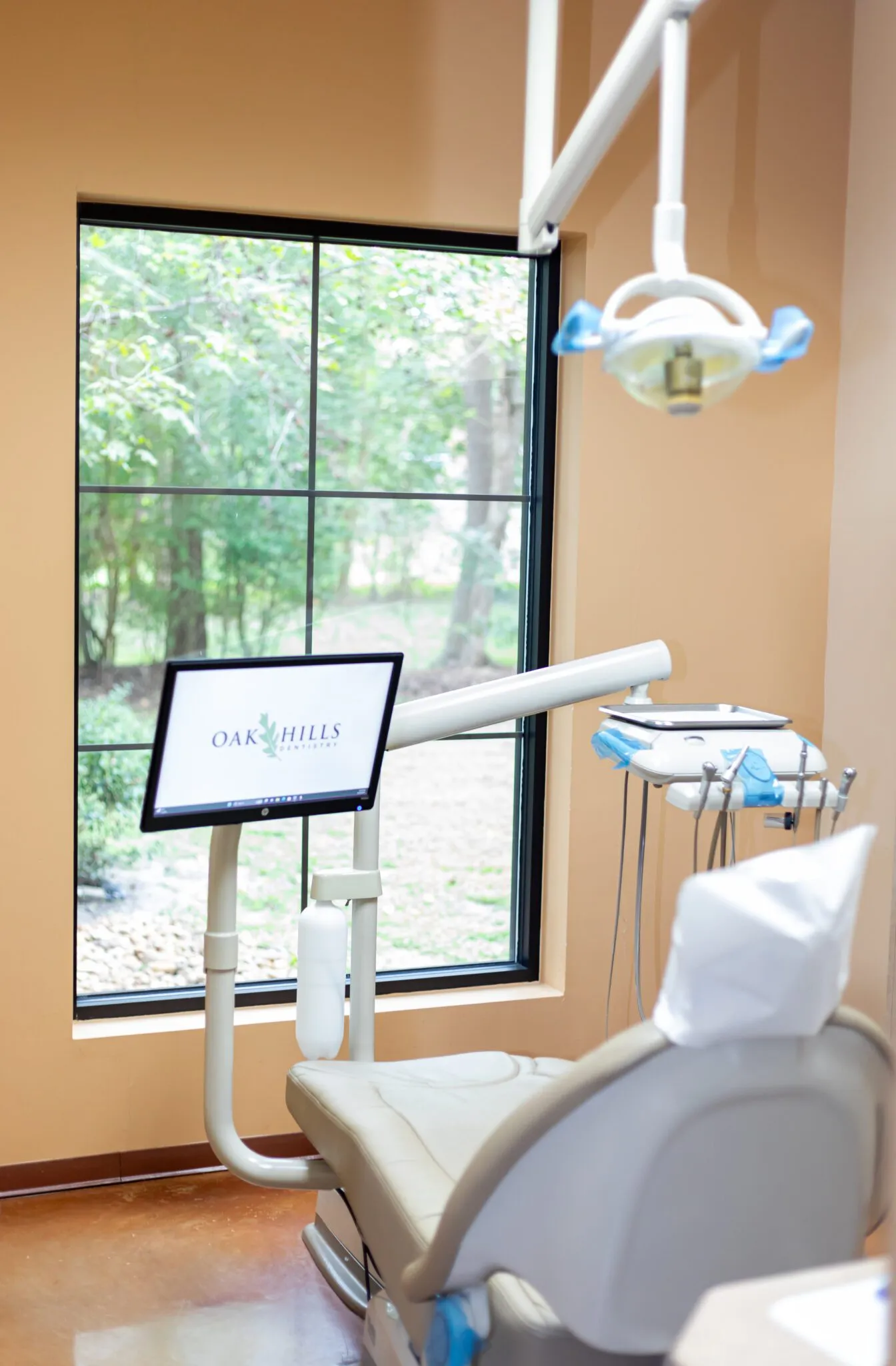
The practice
Where the work happens.
FAQ
Know before you visit.
Answers to your most common questions.
Commonly a cast metal framework with acrylic teeth, which is strong, thin and long-lasting; all-acrylic, which is cheaper and often used as a temporary; or a flexible thermoplastic, which is more comfortable and less visible but harder to adjust and reline. Each suits different situations and Dr. Patel will explain the reasoning for yours.
Sometimes, depending on where the gaps are. Clasp design can hide metal behind teeth in many cases, and tooth-colored or flexible clasps are options for visible areas, with the caveat that they are generally less durable and less adjustable than metal.
It can, if hygiene slips. The clasped teeth accumulate plaque where the metal contacts them, so decay and gum problems around abutment teeth are the main long-term risk. Clean around them specifically, take the partial out to brush, and keep your maintenance visits.
Mostly, after an adaptation period. Start soft, cut food small, chew on both sides. Very sticky and very hard foods are the ones that dislodge a partial. Most people find it manageable within a few weeks.
A partial is the least expensive and handles multiple non-adjacent gaps in one appliance, but it is removable. A bridge is fixed but needs teeth either side of each gap and crowns them. Implants are fixed, preserve bone and touch nothing else, but cost the most and take months. Where the gaps are, how many there are and what your remaining teeth are like usually make one of these clearly better than the others.
Often yes. That is a real advantage of a partial. If a remaining tooth is lost, a tooth can frequently be added to the existing framework rather than starting again.
Start your smile journey.
Tell us how to reach you and we will call to talk through partial dentures, no commitment.