
Clear aligners.
Straighter teeth without the metal
The essentials
In short
Invisalign uses a series of custom clear plastic trays to move teeth gradually, each worn about a week before switching to the next. It treats crowding, spacing, and many bite issues, and it is removable for eating and cleaning. Results depend almost entirely on wear time. Twenty to twenty-two hours a day is the requirement, not a suggestion. Every orthodontic case, aligner or brace, needs lifelong retainer wear afterwards, because teeth drift back.
How aligners move teeth
Each tray is manufactured slightly different from the shape of your teeth, so wearing it applies gentle continuous pressure. Bone remodels on the pressure side and fills in behind. Repeat across a series of trays and the teeth arrive where the digital plan put them.
The mechanics only work while the tray is on the tooth. This is the whole reason wear time is non-negotiable: an aligner in a case on your desk is applying no force, and a series that falls behind stops fitting, at which point the plan has to be re-scanned and restarted.
Good candidates
- Mild to moderate crowding
- Spacing and gaps
- Teeth that have drifted after years without a retainer
- Adults who want correction without visible braces
- Cases where a small amount of alignment makes a subsequent cosmetic plan far more conservative
That last point is worth dwelling on. Straightening a crowded front tooth with aligners costs no enamel. Hiding the same crowding behind veneers costs enamel permanently. Where aligners can do the job, they are the more conservative choice by a wide margin.
What treatment looks like
A digital scan, X-rays and photographs produce a treatment plan you can see before committing. Attachments (small composite bumps) are bonded to certain teeth so the aligners can grip and rotate them. Some cases need tiny amounts of enamel polished between teeth to create space.
Then it is trays, a week or so each, with review appointments every six to ten weeks. At the end, refinement scans and a short second series are common and normal rather than a sign something went wrong.
Retainers
Fixed wire behind the front teeth, removable clear retainers at night, or both. This part is not optional and it does not end. Budget for retainer replacement every few years.
Hygiene during treatment
Brush after eating before reinserting. Clean the trays with cool water and a soft brush, not toothpaste, which scratches them. Keep your routine cleanings on schedule. Decay risk goes up during aligner treatment, not down.
What affects the cost
The number of trays a case needs is the main driver, so complexity and duration set the fee. Retainers are usually a separate cost. Some dental plans include an orthodontic benefit, often with a lifetime maximum and an age limit; many exclude adult orthodontics entirely. We will check your plan and give you a written total including retainers.
Talk it through first
Nothing here replaces an examination. If you are weighing this up, the useful next step is a conversation. Bring your questions, bring what you have been told elsewhere, and ask what the alternatives cost over ten years rather than this month.
Oak Hills Dentistry is on Louetta Road in Spring, Texas, and also sees patients from The Woodlands and north Houston. Request an appointment or call 281-350-8852.
Written for patients of Oak Hills Dentistry in Spring, Texas. General dental education, not a diagnosis or a treatment plan for any individual. Updated August 2026. This page covers a higher-risk treatment area and is queued for clinical sign-off by Dr. Neal H. Patel before launch.
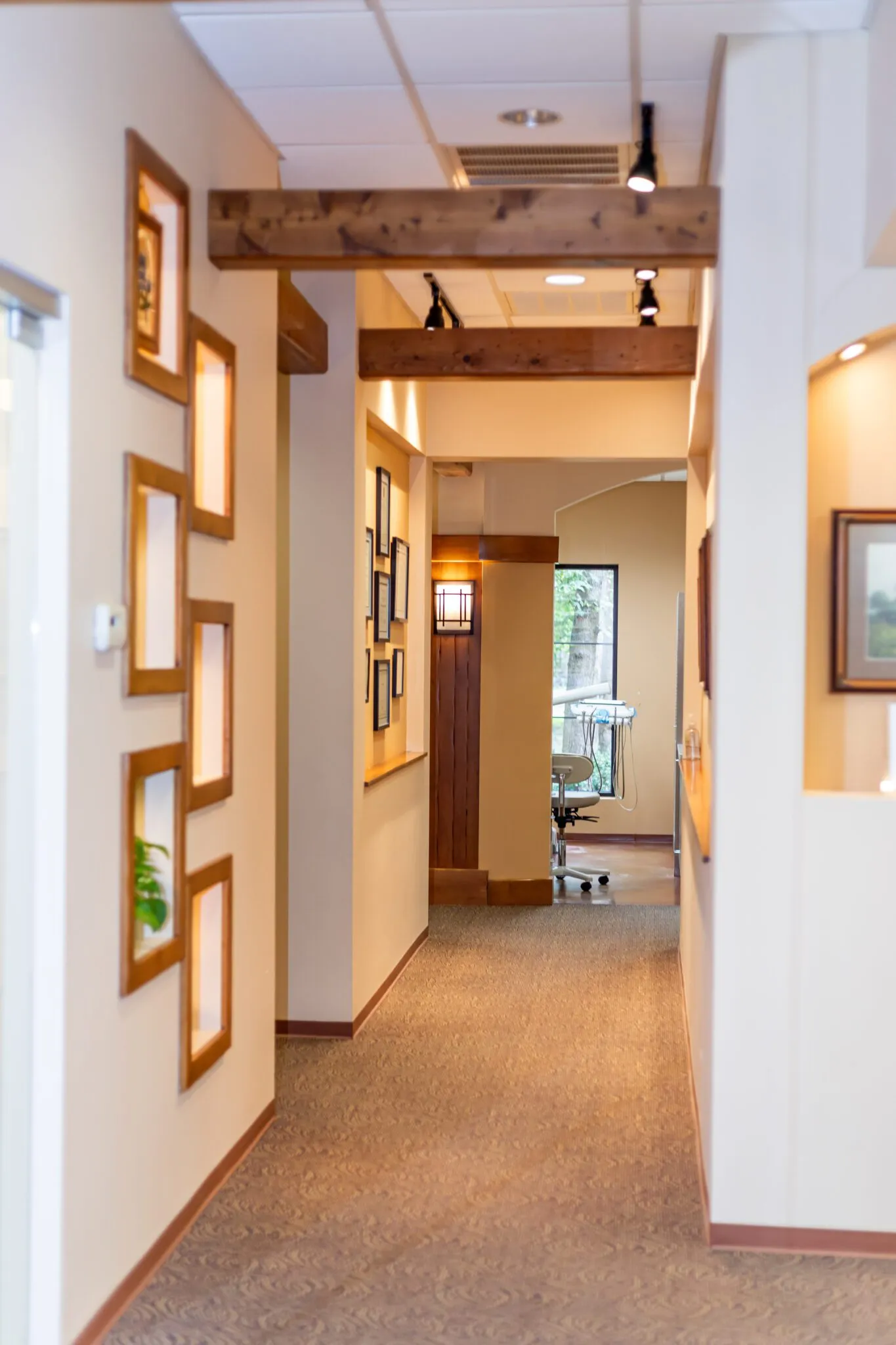
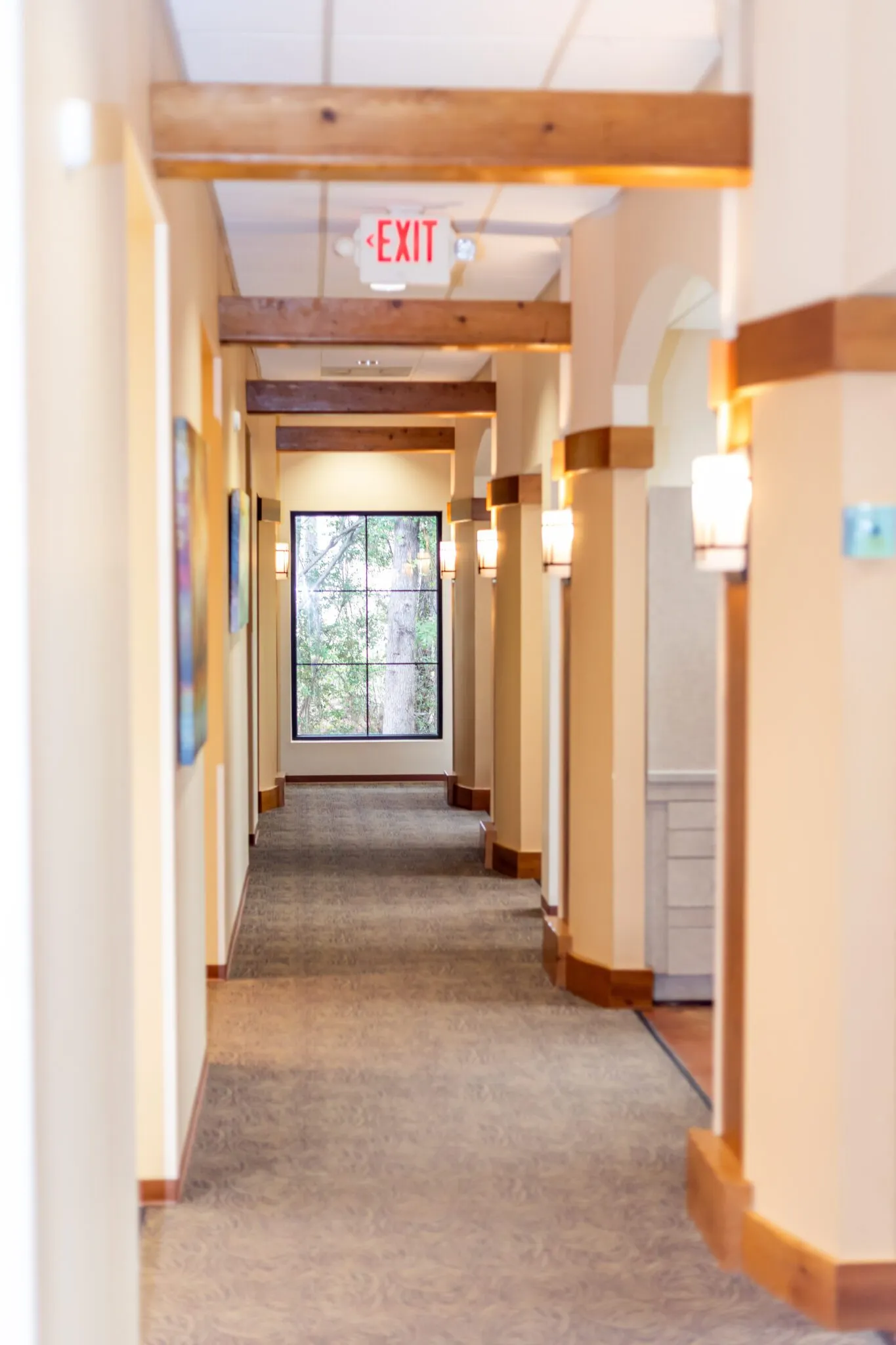
The practice
Where the work happens.
FAQ
Know before you visit.
Answers to your most common questions.
Minor crowding can finish in a few months; comprehensive cases commonly run twelve to eighteen months and some longer. The scan and digital plan give a case-specific estimate, and that estimate assumes full wear time.
Far less than with fixed braces. The trays are thin and clear. Most cases need small tooth-colored attachments bonded to some teeth for the aligner to grip, and those are visible up close.
Not sharply. Each new tray feels tight for a day or two, and teeth can be tender to bite on. Switching trays in the evening means sleeping through the worst of it.
Severe crowding, significant skeletal jaw discrepancies, large rotations of round-rooted teeth, and complex bite corrections often need fixed braces, sometimes with orthognathic surgery. Dr. Patel will tell you honestly if your case belongs with an orthodontist rather than here. That is a better outcome than an aligner case that stalls halfway.
Yes. Teeth move throughout life; the fibers and bone around them remember where they were. Nightly retainer wear indefinitely is the price of keeping the result, and relapse after stopping is the single most common regret in orthodontics.
Water only. Anything hot can warp the plastic, and anything with sugar or acid gets trapped against your enamel for hours, which is how people finish aligner treatment with straight teeth and new cavities. Take them out, then rinse before putting them back.
Start your smile journey.
Tell us how to reach you and we will call to talk through invisalign® clear aligners, no commitment.