

Root canal treatment.
Keep the tooth, lose the pain
The essentials
In short
A root canal removes infected or dying pulp tissue from inside a tooth, disinfects and shapes the canals, and seals them. It is done under local anesthetic and treats the source of the pain rather than masking it. Modern root canal treatment is not the ordeal its reputation suggests. Most patients report the appointment is more comfortable than the toothache that led to it. A back tooth almost always needs a crown afterwards to keep it from splitting.
Why teeth need root canals
Inside every tooth is a chamber of soft tissue: nerve and blood vessels. When bacteria reach it, through deep decay, a crack, a failing filling or trauma, that tissue becomes inflamed and then dies. Because it is sealed inside hard tooth structure, the pressure has nowhere to go. That is the throbbing that keeps people awake, and the swelling that follows when the infection tracks out through the root tip into the bone.
Antibiotics can quiet an abscess for a while. They cannot reach dead tissue with no blood supply, which is why an infected tooth treated only with antibiotics flares again.
Signs you may need one
- Lingering pain after something hot or cold, rather than a quick zing
- A deep, hard-to-locate ache, often worse lying down
- Pain on biting, or a tooth that feels raised
- A tooth that has changed color, particularly after an old injury
- A gum boil or a bad taste that keeps coming back
- Nothing at all: some pulps die quietly and are found on a routine X-ray
What the appointment is like
You are numbed first and checked before anything starts. A rubber dam isolates the tooth, which keeps saliva out of the canals and everything else out of your throat. Dr. Patel opens the tooth, removes the pulp, and cleans each canal to its full length, irrigating as he goes. The canals are then filled and sealed, and the access closed.
You will feel pressure and hear the instruments. You should not feel pain. If you do, say so: the answer is more anesthetic, not endurance.
Aftercare
Tenderness on biting for a few days is normal; the ligament around the root has been irritated. Over-the-counter anti-inflammatories usually handle it well. Avoid chewing hard on that side until the permanent restoration is fitted, because an unprotected, hollowed tooth is at its most fracture-prone in that window. Swelling that increases, rather than settles, after the first day is a reason to call.
Alternatives
The honest alternatives are extraction (followed by an implant, a bridge, or accepting the gap) or, in early cases where the pulp is inflamed but not yet dying, removing the decay and placing a sedative filling to see whether it settles. Dr. Patel will tell you which category your tooth is in and how confident that assessment is.
What affects the cost
Front teeth have one canal; molars have three or four and take considerably longer, so cost scales with the tooth. The crown afterwards is a separate procedure. Most dental plans cover endodontic treatment at a mid-tier percentage and crowns at a lower one, often with an annual maximum that a root canal plus crown can approach. We will lay out both stages and the likely insurance behavior before you decide.
Talk it through first
Nothing here replaces an examination. If you are weighing this up, the useful next step is a conversation. Bring your questions, bring what you have been told elsewhere, and ask what the alternatives cost over ten years rather than this month.
Oak Hills Dentistry is on Louetta Road in Spring, Texas, and also sees patients from The Woodlands and north Houston. Request an appointment or call 281-350-8852.
Written for patients of Oak Hills Dentistry in Spring, Texas. General dental education, not a diagnosis or a treatment plan for any individual. Updated August 2026. This page covers a higher-risk treatment area and is queued for clinical sign-off by Dr. Neal H. Patel before launch.
The path
How it goes, step by step.
A meticulous sequence, explained before it starts. You should never be surprised by the next appointment.
Step 1: Diagnosis
X-rays plus cold and pressure testing tell us whether the pulp is inflamed, dying or already dead, and whether the infection has reached the bone.
Step 2: Anesthetic and isolation
The tooth is numbed thoroughly and isolated with a rubber dam so nothing from the rest of your mouth enters the canals.
Step 3: Cleaning and shaping
The pulp chamber and each canal are cleaned, irrigated and shaped to the working length measured electronically and on X-ray.
Step 4: Seal and rebuild
Canals are filled and sealed, the access is closed, and the tooth is restored: a crown for back teeth, which take the brunt of chewing forces.
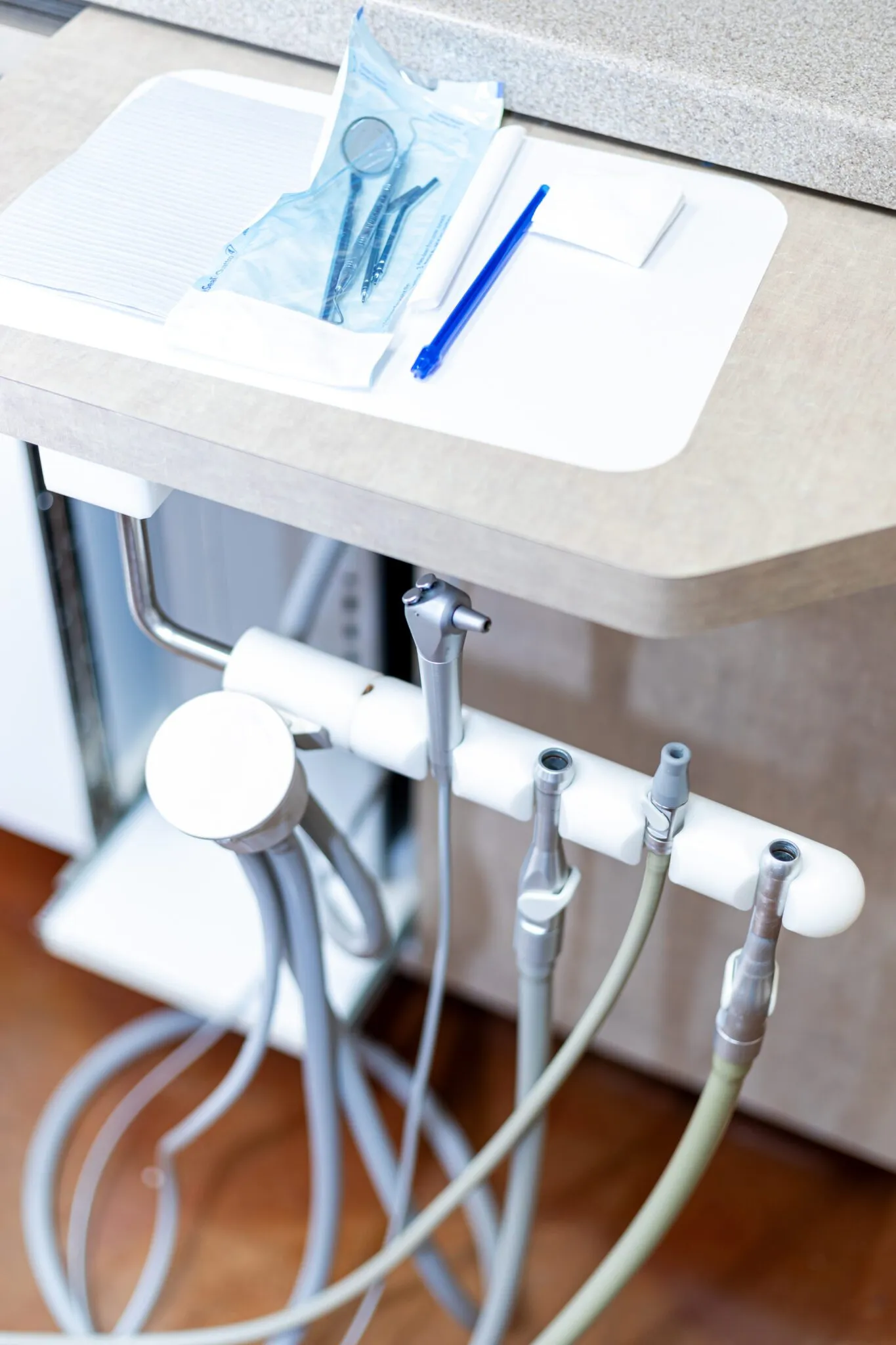
The practice
Where the work happens.

FAQ
Know before you visit.
Answers to your most common questions.
The procedure itself should not. You are fully numbed, and the pain most people associate with root canals is the pain of the infected tooth beforehand. A hot, throbbing tooth can be harder to numb, so tell us if you still feel anything. There are additional techniques and we will use them.
Commonly sixty to ninety minutes for a front tooth or premolar, longer for a molar with three or four canals. Some cases are completed in one visit; others are dressed with medicament and finished at a second appointment, particularly when there is a lot of infection.
A back tooth that has been hollowed out to access the canals has lost the internal structure that resists flexing. Without a crown, the long-term risk is a vertical fracture, and a tooth that splits below the gum usually cannot be saved. The crown is not an add-on; it is what makes the root canal worth doing.
Sometimes, and we will say so. But an extraction leaves a gap that either gets restored with an implant or bridge (typically a longer and more expensive path) or is left, allowing the neighboring teeth to drift and the opposing tooth to over-erupt. Where a tooth is restorable, keeping it is usually the better outcome.
Yes, though most last for many years. Failure usually involves a canal that could not be fully cleaned, a new crack, or new decay under the restoration. Retreatment, surgical apicoectomy, or extraction with a replacement are the options at that point.
Start your smile journey.
Tell us how to reach you and we will call to talk through root canal treatment, no commitment.