Guided regeneration.
Build the ridge back to implant width
The essentials
In short
Guided bone regeneration rebuilds a jaw ridge that has become too narrow or too short for an implant. Graft material is placed at the defect and covered with a barrier membrane that keeps faster-growing soft tissue out while slower-growing bone fills the space. Healing takes several months and is confirmed with imaging before an implant is placed. It is the technique that makes implants possible in sites that would otherwise be ruled out.
Why ridges narrow
Bone exists to serve a function. When a tooth is removed, the socket walls lose their purpose and the ridge remodels: narrowing from the outside in and losing height. In sites where the tooth was lost to infection or periodontal disease, or where a denture has been pressing for years, the deficit can be substantial.
An implant needs bone on every side of it. A knife-edge ridge that measures three millimeters across cannot house a four-millimeter implant without the threads sitting exposed, and exposed threads collect bacteria and lose bone.
What the procedure involves
Under local anesthetic, with sedation available, the site is opened cleanly and any residual soft tissue removed. Graft material is placed and shaped to the contour the ridge should have. A barrier membrane is laid over it, sometimes secured with small tacks, and the gum is closed over the top without tension. Tension-free closure is one of the details that decides whether the graft survives.
Sutures stay in for one to two weeks.
Aftercare that determines the result
- Do not smoke. This matters more here than almost anywhere else in dentistry.
- Nothing pressing on the site. If you wear a denture or partial over it, it will be adjusted or left out.
- Soft diet, no chewing on the area, no probing it with your tongue.
- Cold compresses for the first day, then warmth.
- Antibiotic or antimicrobial rinse as prescribed.
- Report any exposure of the membrane, increasing swelling after day three, or a bad taste promptly. Early intervention can save a graft; late intervention usually cannot.
Staging, and why we do not rush it
Placing an implant into a graft that has not matured is a way to lose both. Dr. Patel’s post-doctoral training in advanced implantology at Texas Implant Institute informs a staged approach: graft, verify with imaging, then place. Occasionally the imaging shows a second smaller graft is needed, and that conversation is better had at four months than after an implant has failed.
What affects the cost
Defect size, graft material, whether a membrane and fixation tacks are needed, and whether the case can be combined with an extraction. Insurance coverage for ridge augmentation is inconsistent and frequently excluded as it relates to implant treatment. We submit for pre-determination so you have a written answer.
Talk it through first
Nothing here replaces an examination. If you are weighing this up, the useful next step is a conversation. Bring your questions, bring what you have been told elsewhere, and ask what the alternatives cost over ten years rather than this month.
Oak Hills Dentistry is on Louetta Road in Spring, Texas, and also sees patients from The Woodlands and north Houston. Request an appointment or call 281-350-8852.
Written for patients of Oak Hills Dentistry in Spring, Texas. General dental education, not a diagnosis or a treatment plan for any individual. Updated August 2026. This page covers a higher-risk treatment area and is queued for clinical sign-off by Dr. Neal H. Patel before launch.
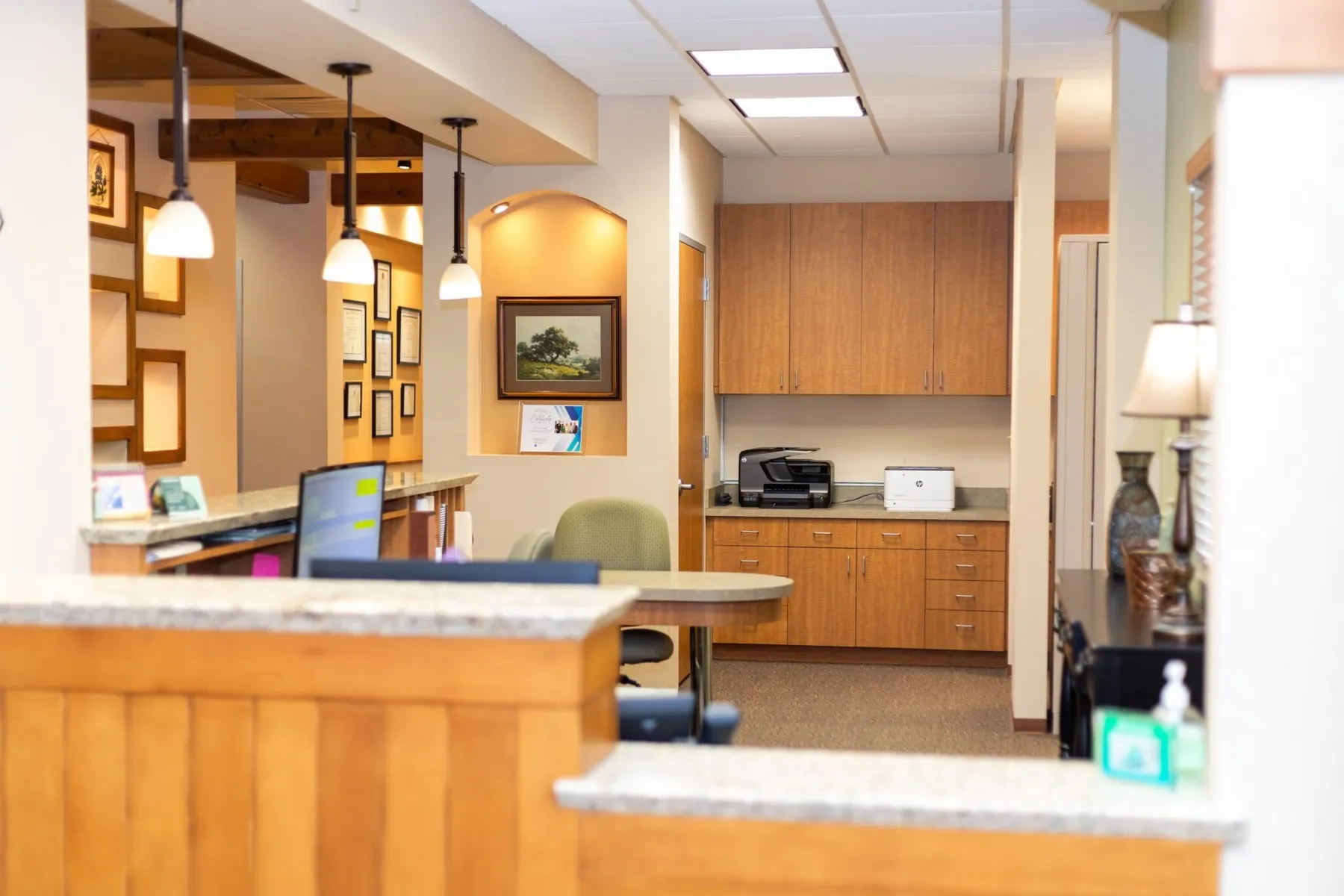
The practice
Where the work happens.
FAQ
Know before you visit.
Answers to your most common questions.
It is a physical barrier. Gum tissue heals much faster than bone, and without a membrane it fills the space first, leaving fibrous tissue where bone was wanted. The membrane holds that boundary long enough for bone-forming cells to populate the graft. Some membranes resorb on their own; others are removed at a second visit.
Commonly four to nine months depending on the size of the defect. Larger reconstructions take longer. We confirm with three-dimensional imaging rather than assuming the calendar has done the work.
Well-executed ridge augmentation in a healthy non-smoker has a strong track record. The main causes of failure are early exposure of the membrane, infection, pressure from an overlying denture, and smoking. Those first three are technique and aftercare; the last is entirely yours.
Generally yes: the surgical field is larger and there is more swelling. Most patients still manage with over-the-counter anti-inflammatories and describe the first three days as the worst of it.
Yes, and for some patients that is the more sensible plan. Augmentation plus an implant is a longer, more expensive route than a bridge. It is worth it when the alternative means cutting down healthy teeth, or when the site will keep deteriorating under a denture. Dr. Patel will give you the comparison rather than assuming you want the surgery.
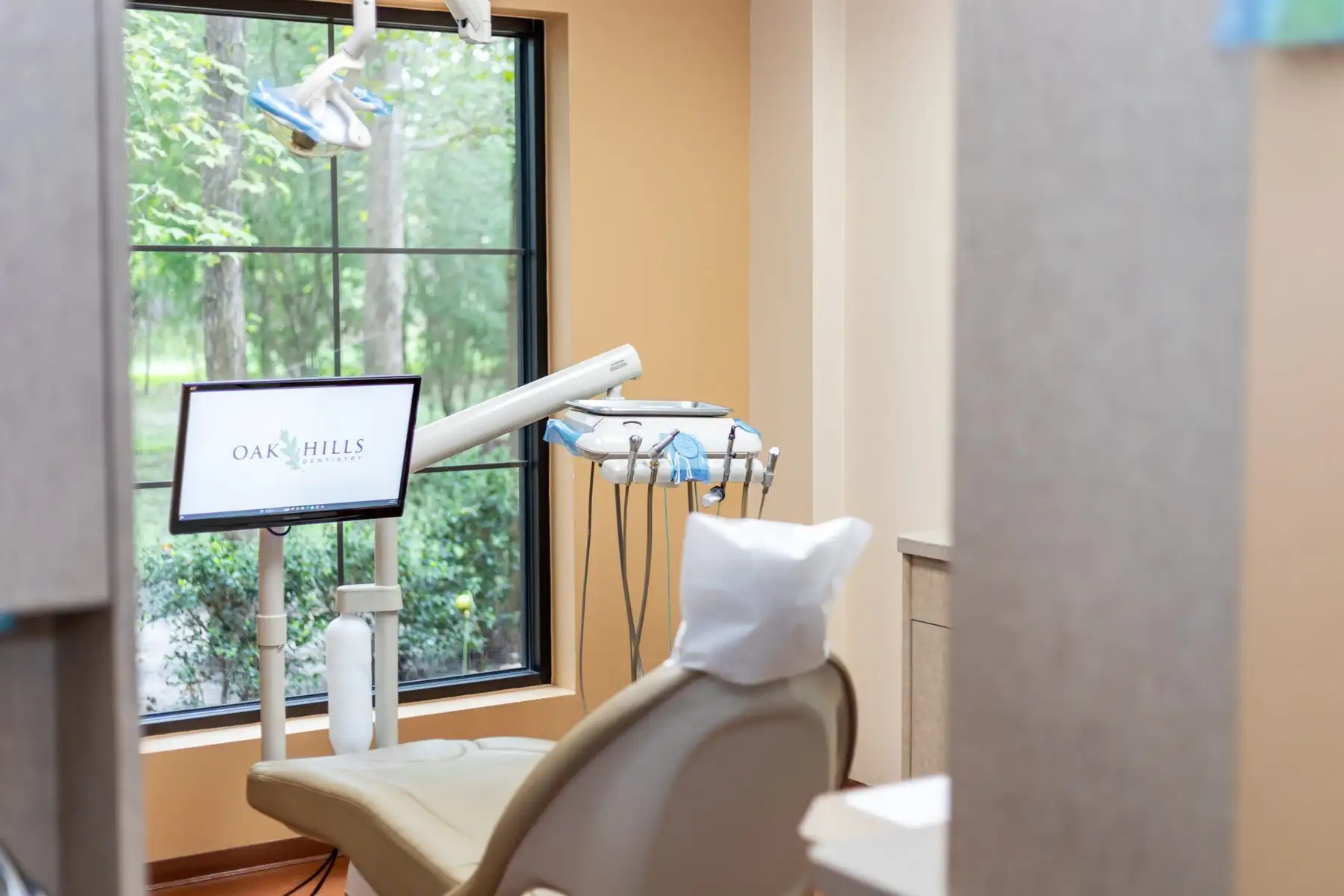
Start your smile journey.
Tell us how to reach you and we will call to talk through guided bone regeneration, no commitment.